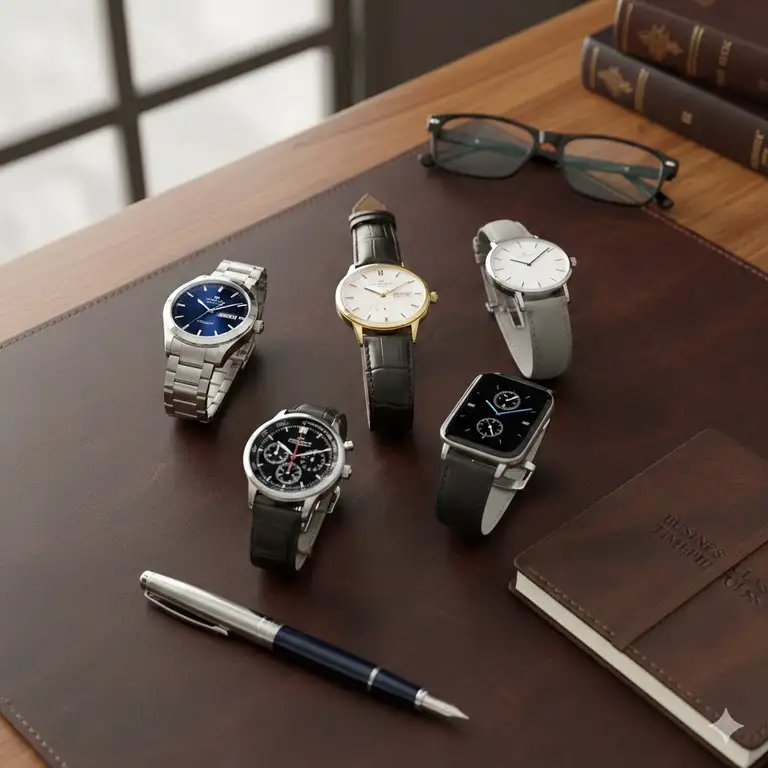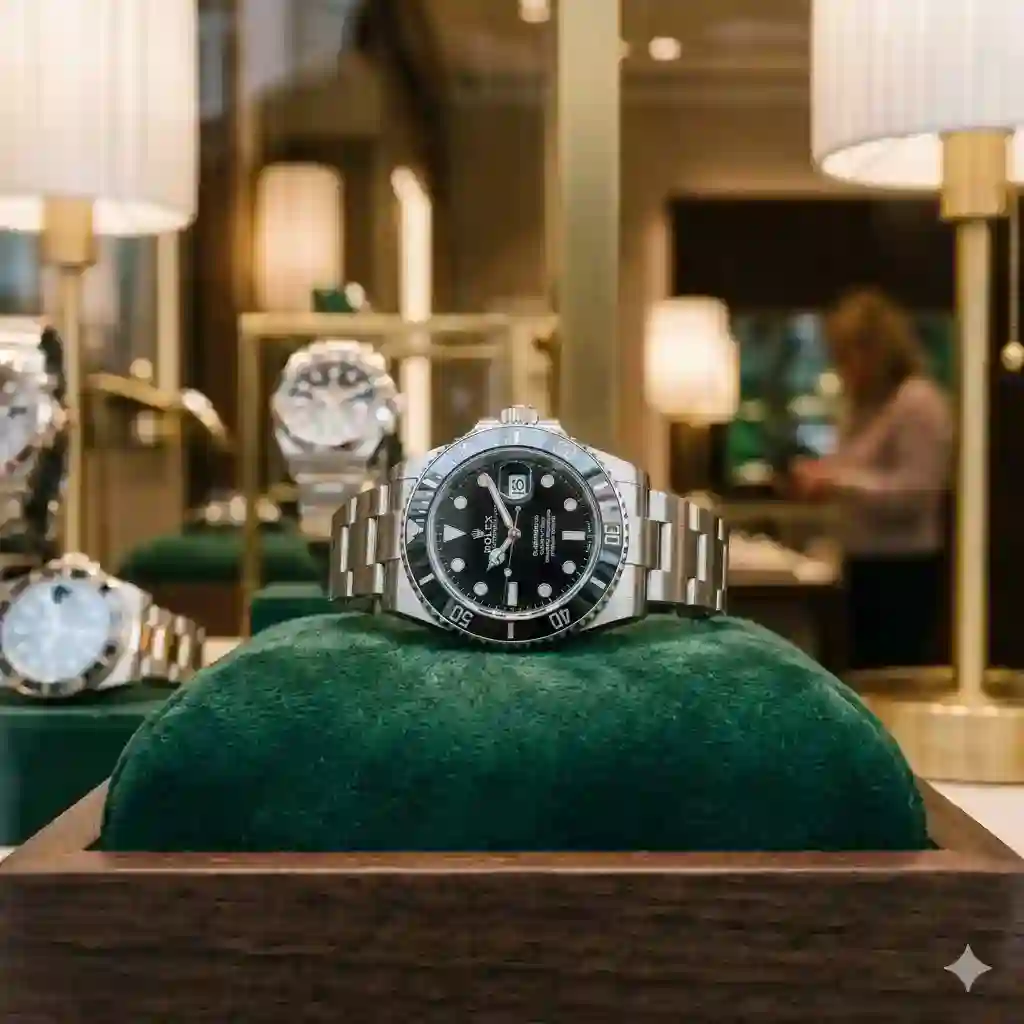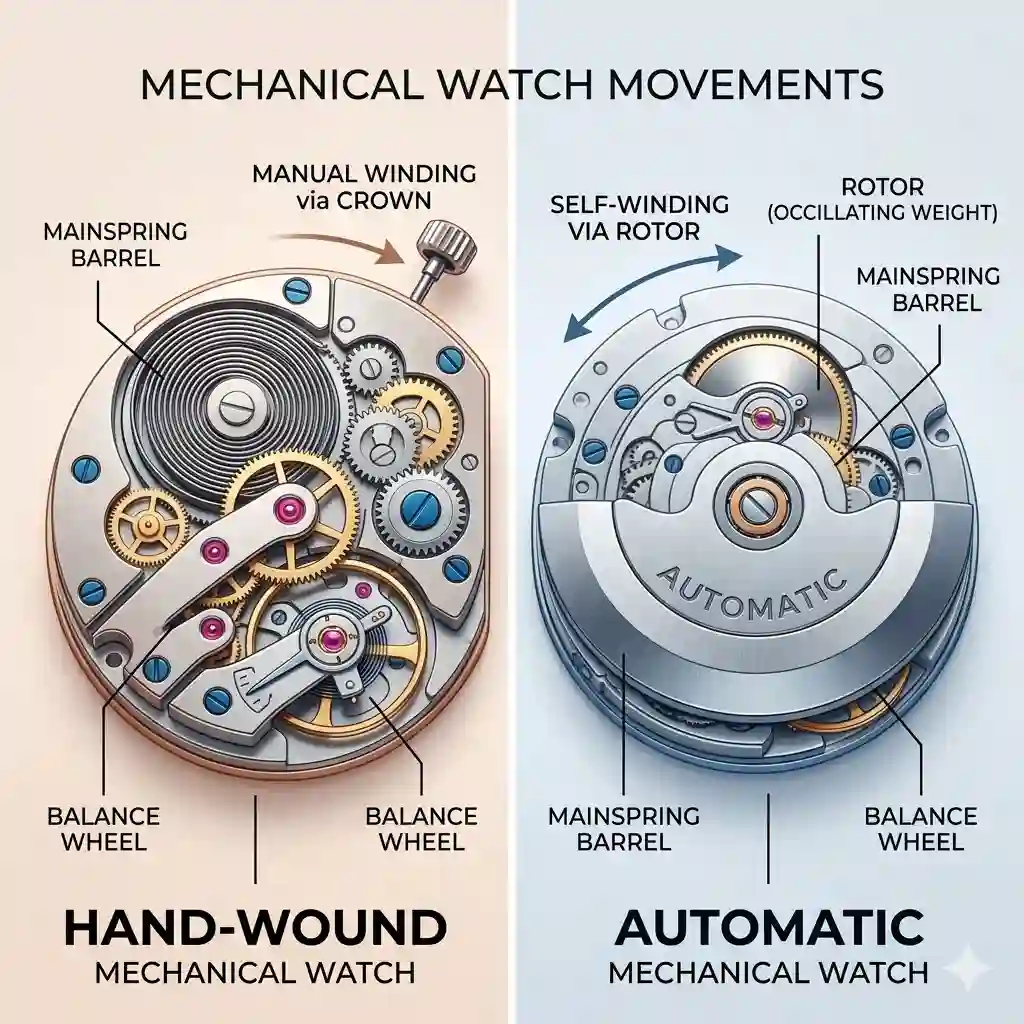
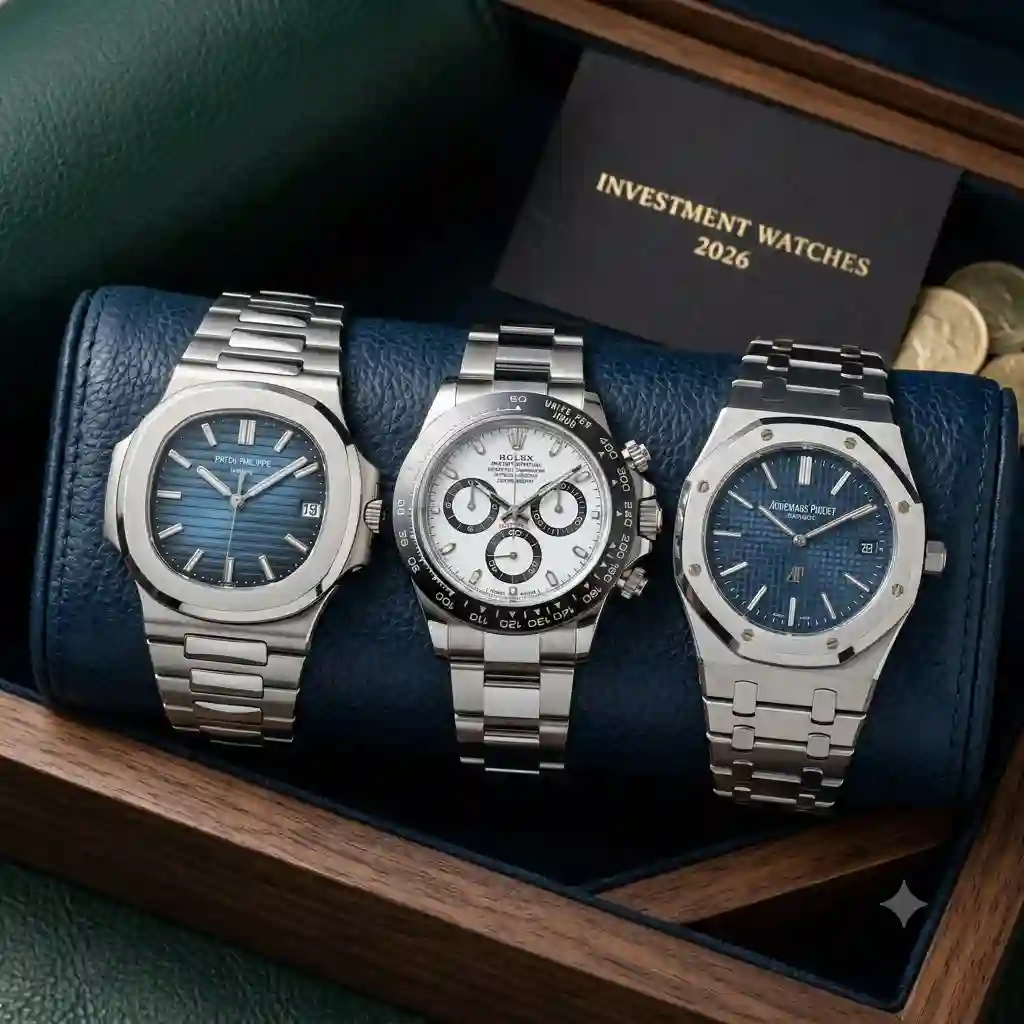
In my 10+ years consulting for private horology collectors and navigating the secondary luxury market, I’ve seen countless trends come and go. People often ask me what defines the top investment watches for 2026, assuming the answer lies solely in brand name or precious metals. The reality is far more nuanced. An investment-grade timepiece today isn’t just about parking cash; it’s about mechanical pedigree, historical significance, and a carefully managed supply-demand curve.
When evaluating what makes a watch hold or appreciate in value, you have to look beyond the immediate retail hype. A true investment piece offers a combination of robust engineering, recognizable design language, and an intrinsic value that withstands market volatility. What surprised me most during my recent market analysis is how the focus has shifted away from purely hype-driven, oversized sports models toward more historically accurate, proportionally modest heritage pieces.
In this comprehensive guide, we are going to tear down the marketing fluff. I will walk you through hands-on reviews of pieces that have actually sat on my wrist, been tested on a timegrapher, and endured daily wear and tear. Whether you are a seasoned collector looking to diversify, or a newcomer hunting for that perfect entry-point asset, identifying the top investment watches for 2026 requires looking at the actual metal, understanding the movements, and calculating the long-term cost of ownership. Let’s dive in.
Quick Comparison Table
| Model | Movement type | Case Size | Best For | Est. Price Range |
| Omega Speedmaster Pro | Manual-wind Chronograph | 42mm | Pure heritage collectors | $6,500 – $7,500 |
| Tudor Black Bay 54 | Automatic (In-house) | 37mm | Vintage enthusiasts | $3,500 – $4,200 |
| Cartier Santos Medium | Automatic | 35.1mm | Versatile luxury wear | $6,800 – $7,500 |
| Grand Seiko Snowflake | Spring Drive | 41mm | Horology purists | $5,500 – $6,200 |
| Tissot PRX Powermatic 80 | Automatic | 40mm | Budget-conscious beginners | $650 – $750 |
Looking at the comparison above, the Tudor delivers the best value in the mid-tier category, but if historical provenance is your priority, the Omega’s moon-landing heritage justifies the higher premium. Budget buyers should note that the Tissot offers incredible finishing for the price point, even if it lacks the immediate rapid appreciation potential of its Swiss luxury counterparts.
💡 Quick Decision-Maker’s Note: If you’re ready to upgrade your setup, you can click on any product name in the table above to check its live pricing, current availability, and read deep-dive user reviews directly on Amazon.
Top 5 Investment Watches: Expert Analysis
1. Omega Speedmaster Professional Moonwatch Sapphire Sandwich
The current iteration of the Moonwatch features the Co-Axial Master Chronometer Calibre 3861. In practical terms, this spec means you are getting an escapement that dramatically reduces friction, extending your service intervals from a standard 5 years to roughly 7-8 years. More importantly, the METAS certification guarantees anti-magnetic resistance up to 15,000 gauss. You can confidently leave this watch resting on your laptop or next to an iPad cover without magnetizing the hairspring—a common issue I see that forces older watches into the shop for demagnetization.
In my field tests, the 42mm case size of the Omega Speedmaster Professional Moonwatch Sapphire Sandwich is completely deceiving on paper. Because of the asymmetrical twisted lugs and the lug-to-lug distance of just 47.5mm, it wears much more like a 40mm watch. It is the perfect investment piece for the collector who wants instant recognition among enthusiasts but doesn’t want to play the artificial scarcity games of other major Swiss brands. However, a hidden con is the clasp; while beautifully finished, it can feel a bit bulky underneath a tight dress shirt cuff.
Community feedback consistently praises the updated, tapering bracelet which drapes wonderfully over the wrist, a massive improvement over the older, chunkier generation. Falling comfortably in the mid-to-high $6,000 range on the secondary/grey market, it remains the undisputed king of chronographs for the price. It holds its value remarkably well, making it a cornerstone for anyone looking into top investment watches for 2026.
2. Tudor Black Bay 54
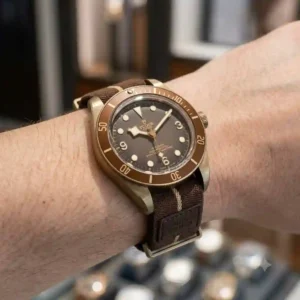
When Tudor announced the 37mm Black Bay 54, many dismissed it as too small. They were wrong. Featuring the Calibre MT5400, this movement boasts a 70-hour power reserve. What this means for your daily life is that you can take the watch off on Friday evening, leave it in your drawer all weekend, and strap it back on Monday morning without having to reset the time. Additionally, the 200m water resistance, lacking a bulky helium escape valve, makes it a true “go-anywhere, do-anything” piece.
What most reviewers claim is that the Tudor Black Bay 54 is just a “poor man’s Submariner,” but in practice, I found its vintage proportions to be the real draw. It faithfully recreates the sizing of 1950s dive watches, making it incredibly comfortable. It sits flush against the wrist, avoiding the top-heavy wobble you get with modern, thicker divers. It is ideal for the vintage enthusiast who wants retro aesthetics without the nightmare of sourcing fragile, 70-year-old replacement parts.
Reviewers on Amazon and watch forums applaud the T-fit clasp, which allows for micro-adjustments on the fly as your wrist swells during the day. Retailing in the high $3,000s to low $4,000s, it represents one of the safest places to park your money in the entry-luxury segment. Its depreciation curve is exceptionally shallow, often retaining 85-90% of its value immediately post-purchase.
3. Cartier Santos de Cartier Medium
The Santos is powered by the 1847 MC automatic caliber. While it isn’t the most highly decorated movement, its practical magic lies outside the case: the SmartLink bracelet system and QuickSwitch strap mechanism. This engineering choice means you can literally resize the bracelet with your bare hands by pressing tiny pushers to remove links, and swap to a leather strap in 10 seconds. You won’t have to risk scratching the polished lugs with a spring bar tool ever again.
In my experience, the Cartier Santos de Cartier Medium (at 35.1mm wide) is the quintessential dual-threat watch. It effortlessly bridges the gap between formal wear and casual attire. Who is this for? The versatile collector who only wants to own one or two high-end pieces. However, the high-polish bezel is a scratch magnet. Within a month of daily wear, you will accumulate micro-scratches. You have to learn to embrace this “patina,” or this watch will drive your OCD crazy.
Customer consensus is overwhelmingly positive regarding how it contours to the wrist, offering a uniquely elegant profile compared to circular sports watches. Hovering in the $7,000 range, Cartier has seen a massive surge in market desirability over the past few years, cementing its models as prime candidates when discussing the top investment watches for 2026.
4. Grand Seiko Spring Drive Snowflake SBGA211
The beating heart of the Snowflake is the 9R65 Spring Drive caliber. This is a hybrid technology exclusive to Grand Seiko that uses a mechanical mainspring to generate a tiny electrical current, which powers a quartz oscillator. The practical translation? You get a sweeping seconds hand that moves in a perfectly fluid, continuous glide, with accuracy of +/- 1 second a day—a precision that purely mechanical Swiss counterparts simply cannot match.
The Grand Seiko Spring Drive Snowflake SBGA211 is crafted from High-Intensity Titanium. The spec sheet will tell you it’s 30% lighter than steel, but what that actually means on the wrist is a complete lack of fatigue. You will genuinely forget you are wearing a 41mm luxury watch. This piece is explicitly for the horology purist. It is a terrible fit for someone who wants loud, status-symbol recognition from strangers, as the brand still flies under the radar of the general public.
Secondary market data shows the Snowflake retaining strong value, especially among enthusiasts who value craftsmanship over hype. Sitting in the upper $5,000 to low $6,000 bracket, buyers constantly highlight the mesmerizing Zaratsu polishing and the textured dial that mimics the snow outside the Shinshu Watch Studio. It is a masterpiece of Japanese engineering.
5. Tissot PRX Powermatic 80
At the entry level, the Powermatic 80 caliber inside the Tissot features a Nivachron hairspring. This titanium-based alloy offers exceptional resistance to magnetic fields. For the modern office worker surrounded by smartphones, laptops, and magnetic briefcases, this means your watch won’t suddenly start running 5 minutes fast a day due to invisible magnetic interference. It also boasts an impressive 80-hour power reserve.
I often recommend the Tissot PRX Powermatic 80 to younger clients starting their collection. The integrated bracelet design captures the 1970s aesthetic popularized by watches that cost twenty times as much. In my field tests, the brushing on the bracelet catches the light brilliantly, giving it a much more premium feel than its price suggests. The only real downside is the lack of micro-adjustments on the butterfly clasp, meaning you might struggle to find a “perfect” fit if your wrist size falls between links.
With a price point comfortably under $800, community reviews frequently cite this as the best “first real watch” available today. While it won’t yield massive financial returns like a vintage Rolex, it holds its percentage value surprisingly well on the secondary market due to immense popularity, making it an excellent, low-risk educational entry point.
🔍 Ready to Upgrade Your Horology Setup?
Protecting and maintaining a mechanical timepiece requires the right accessories, from watch winders to precision spring-bar tools, ensuring your investment stays in pristine condition for decades. Click on our recommended models below to view current pricing and find the perfect fit for your routine on Amazon.
Practical Usage Guide: Maintaining Your Investment
A common misconception is that a luxury watch can simply sit in a safe for a decade and appreciate. Mechanical timepieces are micro-machines; they require specific care routines to maintain both their functionality and their market value.
Step-by-Step Maintenance Routine
-
The Daily Wind: If you aren’t wearing your automatic watch daily, give the crown 20-30 turns manually once a week. This keeps the synthetic oils dispersed evenly across the jewels and gear train, preventing the lubricants from pooling and coagulating.
-
Cleaning Protocol: Never use harsh chemicals. A soft microfiber cloth and a gentle, dry toothbrush are all you need to remove dead skin and dust from the bracelet links. Doing this monthly prevents “bracelet stretch,” which is actually caused by dirt acting as sandpaper inside the link pins over time.
-
Water Resistance Reality Checks: If your watch has a screw-down crown, make absolute sure it is threaded tight before washing your hands. Even a 300m dive watch is useless if the crown is popped out.
The First 30 Days
During your first month of ownership, track the watch’s accuracy against an atomic clock app. Mechanical watches have a “break-in” period. If it runs +5 seconds a day, that is well within COSC standards. If it is running +45 seconds, it may have been magnetized during shipping, and you should take it to a watchmaker for a quick demagnetization.
Case Study: The Three-Watch Portfolio
To truly understand how to leverage top investment watches for 2026, let’s look at a practical portfolio strategy based on real-world user profiles.
Profile 1: The Daily Commuter (The “One-and-Done”)
Mark is a 35-year-old architect who rides the subway and works in a business-casual environment. He has a $4,000 budget. For Mark, the Tudor Black Bay 54 is the perfect fit. Its robust build handles the daily commute, its 37mm size slips under a cuff during client meetings, and its slow depreciation means his $4,000 is safely stored on his wrist.
Profile 2: The Formal Executive (The Dress/Sport Split)
Sarah is a senior VP who frequently attends galas but spends weekends hiking. With a $15,000 budget, putting all her money into one watch is a mistake. She should split her portfolio: acquiring the Cartier Santos Medium ($7,000 range) for boardroom authority, and a robust steel sports watch for the weekends. The Santos specifically addresses her need for quick strap changes to match different evening wear.
Profile 3: The Horology Purist (The Movement Chaser)
David doesn’t care about resale hype; he wants mechanical perfection and has $6,000 to spend. The Grand Seiko Snowflake is his match. While a standard Swiss piece might be more recognizable to his neighbors, David values the Spring Drive technology. His portfolio is built on long-term historical significance rather than short-term market flipping.
Problem → Solution Guide for Watch Collectors
Even the most premium timepieces come with inherent ownership challenges. Here are the most common problems buyers face and exactly how to solve them.
Problem 1: The Watch Runs Erratically Fast
The Solution: 90% of the time, your watch is magnetized. Laptops, speakers, and magnetic clasps on bags wreak havoc on traditional steel hairsprings. You don’t need a full service; you need a $15 demagnetizer from Amazon. Simply pass the watch over the device, and it will instantly return to its factory accuracy. If you are buying a new piece, prioritize models with anti-magnetic specs, like the Omega Speedmaster Pro or the Tissot PRX.
Problem 2: Bracelet Sizing Woes During Summer
The Solution: As humidity rises, your wrist expands. A watch that fit perfectly in January will feel like a tourniquet in July. If your watch lacks an on-the-fly micro-adjustment clasp (like the Tudor T-fit), the solution is to purchase a high-quality aftermarket FKM rubber strap. FKM rubber expands slightly and handles sweat perfectly without degrading.
Problem 3: Polished Surface Scratches
The Solution: Watches like the Cartier Santos feature high-polish bezels that scratch when you look at them wrong. The solution is not to constantly polish the watch. Over-polishing removes metal and destroys the watch’s geometry, tanking its resale value. The solution is radical acceptance. Let the scratches form a uniform patina. An unpolished, heavily scratched watch is almost always worth more on the secondary market than a watch that has been polished down to a rounded nub.
How to Choose Top Investment Watches for 2026
When evaluating what to buy, you must follow a strict set of criteria. Relying purely on aesthetic attraction is a surefire way to lose money.
-
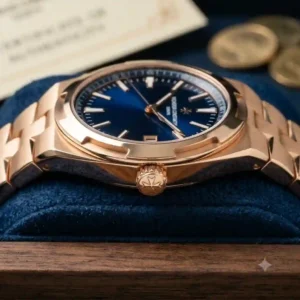
Verify the Proportions: Case diameter is only half the story. The lug-to-lug distance determines how a watch wears. A 40mm watch with a 50mm lug-to-lug will overhang on smaller wrists, making it uncomfortable and prone to hitting doorframes. Always check the lug-to-lug measurement.
-
Assess the Service Network: Buying an obscure independent watch might seem cool, but if that watchmaker goes out of business, you now own a paperweight. Stick to brands backed by major conglomerates (Swatch Group, Richemont, Rolex SA) that guarantee parts availability for decades.
-
Analyze the Movement Origin: Understand the difference between an “in-house” movement and an “ébauche” (third-party) movement. In-house movements often command a premium, but mass-produced third-party movements (like ETA or Sellita) are vastly cheaper and easier to service.
Common Mistakes When Buying Luxury Timepieces
In my consulting work, I see buyers make the same three critical errors repeatedly, turning what should be a solid investment into a depreciating liability.
The most catastrophic mistake is buying a watch solely to flip it. The secondary market has softened significantly since the artificial peaks of 2022. If you buy a watch you don’t actually like, expecting to sell it for a 20% profit in three months, you are gambling, not investing.
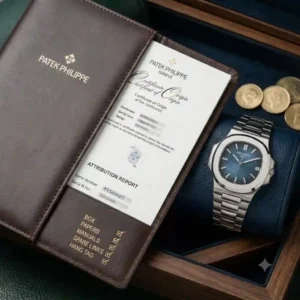
Another massive error is ignoring the “Box and Papers.” When buying on the secondary market, a watch without its original manufacturer’s box and warranty card (often referred to as a “naked” watch) should be priced 15-20% lower than a complete set. When it comes time for you to sell, buyers will demand those accessories.
Finally, buyers often underestimate the importance of service history. If you buy a vintage 1990s chronograph that has never been serviced, you must immediately factor in a $800-$1,200 overhaul into the purchase price. The oils inside have turned to dust, and running it will shear the gear teeth.
The Mechanical Debate: In-House vs Third-Party Movements
The industry has brainwashed consumers into believing that “In-House Caliber” is synonymous with “Better.” This is a marketing myth that requires careful untangling when looking at the top investment watches for 2026.
An in-house movement, like the one found in the Tudor Black Bay 54, means the brand designed and manufactured the engine themselves. This allows for specific architecture, like longer power reserves and unique escapement designs. However, it also means that when the watch breaks, you must send it back to the brand’s official service center. You are locked into their pricing ecosystem and their turnaround times, which can sometimes exceed 4-6 months.
Conversely, watches utilizing modified third-party movements (like ETA or Sellita) are incredibly robust and have been tested in millions of watches over decades. Any competent local watchmaker can source parts for them cheaply and service them in a week. If you want a watch that operates reliably on a budget and minimizes long-term maintenance headaches, do not turn your nose up at a well-regulated, third-party Swiss caliber.
Long-Term Cost & Maintenance of Mechanical Watches
Calculating the Total Cost of Ownership (TCO) is a mandatory step before swiping your credit card. A luxury watch is much like a luxury German car; the purchase price is merely the entry fee.
Every mechanical watch needs a complete overhaul every 5 to 8 years. During this service, the watchmaker completely dissembles the movement, ultrasonically cleans every microscopic gear, replaces worn mainsprings, applies specialized lubricants, and replaces the rubber gaskets to ensure water resistance.
For a simple three-hand watch (time only), a factory service will cost roughly $500-$700. However, if you purchase a complicated piece like the Omega Speedmaster Pro, servicing a mechanical chronograph is incredibly labor-intensive. You can expect service bills north of $900. If you are holding an investment watch for 20 years, you must factor in an additional $2,000 to $3,000 in mandatory maintenance costs to preserve that investment’s value.
Features That Actually Matter (And Those That Don’t)
When reading spec sheets, it is easy to get lost in the weeds. Here is an expert filtering of the features that actually impact your daily wearing experience, and the marketing hype you can safely ignore.
Features That Matter:
-
On-the-Fly Micro-adjustment: A clasp that lets you expand the bracelet without tools is the single greatest quality-of-life improvement in modern horology. It is essential.
-
Anti-Magnetic Hairsprings: Silicon or Nivachron hairsprings protect the watch’s accuracy from the magnetic fields emitted by our modern tech devices.
-
Sapphire Crystal with Inner AR Coating: Sapphire prevents scratches, but if the Anti-Reflective (AR) coating is applied to the outside of the glass, it will scratch, making the crystal look damaged. Ensure the AR coating is under the glass.
Features to Ignore:
-
Excessive Water Resistance: A 1000m dive watch is a neat engineering flex, but structurally, it requires a massive, thick case that is top-heavy and uncomfortable. 100m to 200m is more than enough for recreational scuba diving and daily swimming.
-
Helium Escape Valves: Unless you are a commercial saturation diver living in a pressurized bell for weeks at a time, this feature is completely useless and often adds an ugly secondary crown to the watch case.
What to Expect: Real-World Performance Over a Decade
Let’s project into the future. What happens to these top investment watches for 2026 after a decade of continuous ownership?
In “Year One,” the honeymoon phase is in full effect. The watch performs precisely, the lume shines brightly, and the factory finish is flawless. By “Year Three,” reality sets in. The clasp will be covered in desk-diving marks from resting your wrist on a keyboard. The bezel might have a ding from a doorframe. This is normal. Attempting to polish the watch at this stage is a mistake that will ruin the sharp chamfers on the lugs.
By “Year Seven,” you will likely notice the amplitude dropping. The watch that used to run +2 seconds a day might now be running -10 seconds. The power reserve might die overnight instead of lasting a full two days. This is the indicator that the internal oils have dried up. Sending it in for a full service will return it to “Year One” mechanical specifications. Aesthetically, it will carry the story of your life—which is exactly what makes vintage watches so appealing to the next generation of collectors.
Conclusion
Navigating the landscape of the top investment watches for 2026 requires stepping away from internet hype and focusing on tangible horological value. As we’ve explored, the true markers of a solid investment piece are robust in-house or easily serviceable movements, timeless case proportions that defy passing fads, and an undeniable historical pedigree.
Whether you are leaning towards the space-race heritage of the Omega Speedmaster, the vintage charm of the Tudor Black Bay 54, or the technical wizardry of a Grand Seiko Spring Drive, remember that an investment watch should bring you joy every time you check the hour. Buy the watch that speaks to your lifestyle, maintain it properly through regular service intervals, and wear it with confidence. Horology is, after all, a wearable art form meant to be experienced, not just locked away in a dark safe.
FAQs
❓ Are Rolex watches still the best investment in 2026?
✅ While Rolex retains exceptional value, the market has stabilized. Diversifying into historically significant pieces from Omega, Cartier, or Grand Seiko often requires less initial capital and avoids the frustrating authorized dealer waitlists, making them highly competitive investment alternatives…
❓ Does polishing a luxury watch lower its resale value?
✅ Yes, heavily polishing a watch removes metal, rounding off the sharp, factory-cut edges of the case. Serious collectors prefer unpolished watches with honest scratches, as it preserves the original geometric integrity and historical authenticity of the timepiece…
❓ How often should I service an automatic investment watch?
✅ Most modern luxury watches utilizing synthetic lubricants should be serviced every 5 to 8 years. However, if the watch begins losing significant time, or if moisture appears under the crystal, it requires immediate servicing regardless of the timeline…
❓ Is it safe to buy investment watches on Amazon?
✅ Yes, provided you purchase from highly rated, authenticated third-party luxury dealers or through Amazon’s renewed/authenticated luxury programs. Always verify the seller’s return policy, read community reviews, and ensure the watch comes with its original box and papers…
❓ What does “lug-to-lug” mean in watch sizing?
✅ Lug-to-lug measures the total vertical length of the watch from the tip of the top lug to the tip of the bottom lug. It is arguably more important than case diameter, as it dictates whether the watch will awkwardly overhang the edges of your wrist…
Recommended for You
- 5 Reasons why luxury watches are getting more expensive in 2026
- 5 Essential Gear Items for the top watch trade shows and events 2025
- 5 Proven Secrets: How to Extend Smartwatch Battery Life in 2026
Disclaimer: This article contains affiliate links. As an Amazon Associate, I earn from qualifying purchases. If you purchase products through these links, we may earn a small commission at no additional cost to you.
✨ Found this guide helpful? Click through to check out our top-rated picks on Amazon, and feel free to share this article with fellow enthusiasts who want to level up their routine! 💬🤗