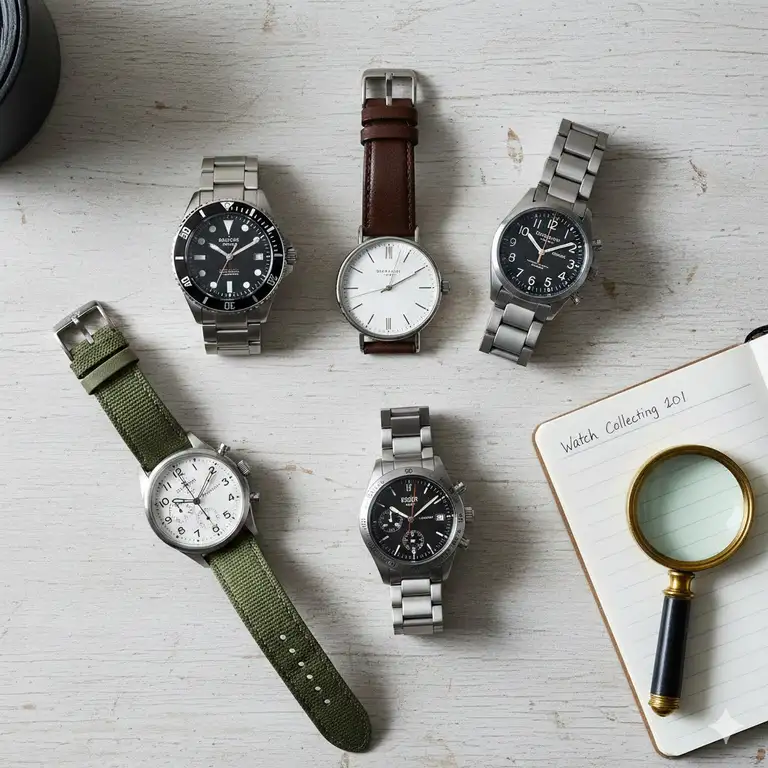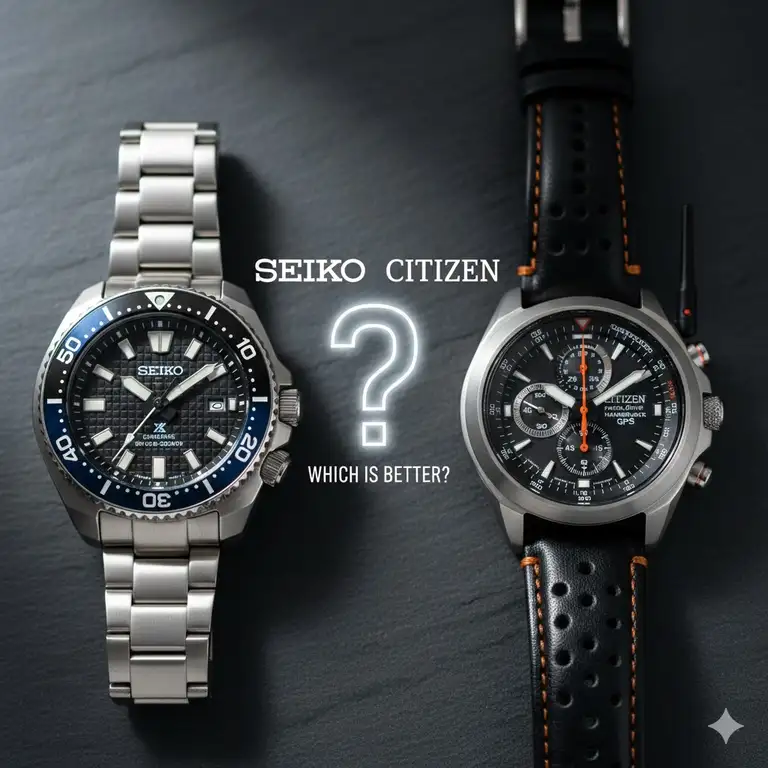
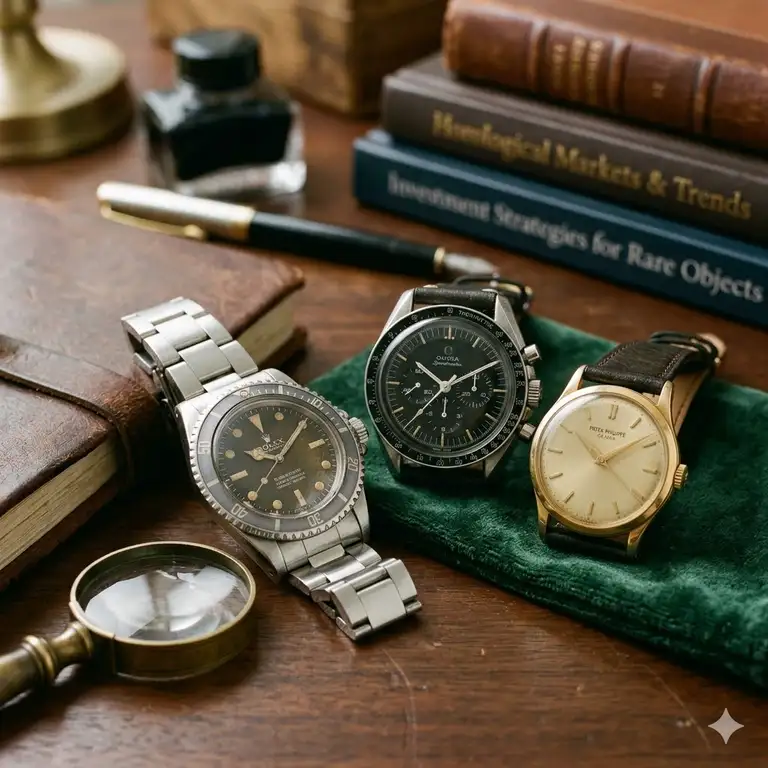
I have always believed that time is the ultimate luxury, but if you can strap that luxury to your wrist and watch its value climb, you have truly mastered the game. You are probably sitting there, staring at your screen, wondering: should you invest in vintage watches or just stick to a boring savings account? It is a question I get asked a lot in my circles. Whether you are a seasoned collector or a total newbie, the world of horology can feel like a maze of ticking gears and confusing reference numbers.
✨Was this helpful? Spread the word! 🚀
The truth is, the market has changed a lot since the early 2020s. We are now in 2026, and the landscape for investing in vintage watches is more nuanced than ever. It is not just about buying a shiny old Rolex and hoping for the best. It is about understanding history, craftsmanship, and the weirdly emotional way people spend their money. In this deep dive, I am going to walk you through everything you need to know. We will look at real data, specific models, and the pitfalls that can turn a “sure thing” into a “money pit.” So, should you invest in vintage watches? Let’s find out together.
Quick Comparison: Vintage Watches vs. Traditional Investments
Before we get into the nitty-gritty, let’s see how vintage watch investment stacks up against other ways you could be spending your hard-earned cash.
| Investment Type | Average Annual Return | Liquidity | Risk Level | Tangibility |
| Vintage Watches | 8% – 15% (Tier 1) | Moderate | Medium to High | High (Physical Asset) |
| S&P 500 Index | 7% – 10% | High | Medium | Low (Digital/Paper) |
| Physical Gold | 4% – 6% | High | Low | High (Physical Asset) |
| Cryptocurrency | Highly Volatile | High | Very High | Low (Digital) |
| Fine Art | 5% – 12% | Low | High | High (Physical Asset) |
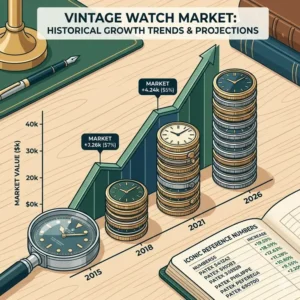
Top 7 Vintage Watches for 2026: Expert Analysis
If you are serious about jumping into this, you need to know which pieces actually hold their weight. I have done the legwork and identified seven standout models that represent different entry points into the market. These are real, tangible assets that have shown resilience and growth potential.
1. Omega Seamaster DeVille (1960s)
This is arguably the most “gentlemanly” entry point into the vintage world. The Omega Seamaster DeVille is the epitome of 1960s minimalism. Specifically, the gold-capped or solid 14k gold versions are highly sought after by collectors who want a piece of the “Mad Men” aesthetic.
-
Technical Specifications:
-
Movement: Automatic Caliber 550 or 560 series.
-
Case Diameter: 34mm to 34.5mm.
-
Material: Stainless Steel, Gold-capped, or 14k/18k Solid Gold.
-
Crystal: Hesalite (Acrylic).
-
Lug Width: 18mm.
-
-
Customer Review Analysis: Modern collectors love the “Seamaster DeVille” for its versatility. Many users on forums like Watchuseek report that the Caliber 550 is a workhorse that, when serviced, keeps time within 5-10 seconds per day. The main complaint is the 34mm size, which some find small by 2026 standards, but the “vintage size” trend is actually helping its value.
-
Pros: Incredible brand heritage; very affordable entry price; easy to service.
-
Cons: Small case size for large wrists; many “redialed” (fake dial) versions exist.
-
Warranty Information: Usually sold “as-is” from private sellers, but reputable dealers like Bob’s Watches or Theo & Harris often offer a 1-year mechanical warranty.
-
Professional Application: Perfect for formal business attire or upscale social events.
2. Rolex Oyster Perpetual Reference 1002
While everyone is chasing the Submariner, the smart money often looks at the Rolex Oyster Perpetual Reference 1002. It is a “no-date” chronometer that is as pure as Rolex gets. It is the definition of a “set it and forget it” vintage watch investment.
-
Technical Specifications:
-
Movement: Caliber 1560 or 1570 (COSC Certified).
-
Case Diameter: 34mm.
-
Material: 904L Stainless Steel.
-
Water Resistance: Originally 50m (not recommended for swimming now).
-
Power Reserve: Approx. 42 hours.
-
-
Customer Review Analysis: Owners praise the Reference 1002 for its “under the radar” luxury. Unlike a GMT-Master, it doesn’t scream for attention. Enthusiasts frequently mention the “smooth bezel” as a highlight that makes it wear slightly larger than its dimensions suggest.
-
Pros: Rolex “Engineered” reliability; holds value extremely well; timeless design.
-
Cons: Higher price of entry compared to Omega; 19mm lug width makes strap swapping tricky.
-
Warranty Information: Third-party warranties from luxury resellers are standard, typically covering 12-24 months.
-
Professional Application: Daily office “power watch” that doesn’t look ostentatious.
3. Seiko “Pogue” Chronograph 6139-6002
If you want a story, you want the Seiko “Pogue” Chronograph 6139-6002. This was the first automatic chronograph in space (worn by Col. William Pogue in 1973). It is a cult classic that has seen a massive surge in the vintage watch investment market.
-
Technical Specifications:
-
Movement: Caliber 6139A or 6139B (Column wheel chronograph).
-
Case Diameter: 41mm.
-
Dial Color: Iconic C-line case with yellow or blue dial.
-
Bezel: Internal rotating tachymeter.
-
-
Customer Review Analysis: Collectors adore the “Pepsi” bezel and the bright yellow dial. It is often described as “the most fun you can have for under $1,500.” However, many reviews warn about “Franken-watches” (watches made of mismatched parts) coming out of certain markets.
-
Pros: Massive historical significance; great case size for modern wrists; unique 1970s vibe.
-
Cons: Difficult to find all-original parts; complex movement is expensive to repair.
-
Warranty Information: Rarely comes with a warranty unless bought from a specialized Seiko restorer.
-
Professional Application: A conversation starter for creative professionals or engineers.
4. Bulova Accutron Spaceview 214
In the 1960s, this was the future. The Bulova Accutron Spaceview 214 doesn’t have a balance wheel; it uses a tuning fork powered by a battery. It hums instead of ticks. For those who enjoy vintage watches as an investment in technology, this is a must-have.
-
Technical Specifications:
-
Movement: Accutron Tuning Fork (360Hz).
-
Case Material: Stainless Steel or Gold-filled.
-
Unique Feature: No crown on the side (it’s on the back); skeletonized dial.
-
Accuracy: Historically guaranteed to 1 minute per month.
-
-
Customer Review Analysis: Users love the “smooth sweeping second hand” which is even smoother than a Rolex. The “humming” sound is a major draw. The biggest gripe is the battery; modern 1.55v batteries can sometimes run the 1.35v movement too fast without a “Phased” adjustment.
-
Pros: Completely unique technology; visually stunning skeleton dial; relatively affordable.
-
Cons: Requires a specialist watchmaker (very few left); sensitive to modern battery voltages.
-
Warranty Information: Specialized shops like “The Accutron Man” often provide 6-month guarantees.
-
Professional Application: Ideal for tech enthusiasts, architects, or history buffs.
5. Heuer Carrera Reference 2447
Before it became TAG Heuer, it was just Heuer, and they made some of the best racing chronographs in history. The Heuer Carrera Reference 2447 is the “Holy Grail” for many who believe they should I buy a vintage watch for long-term appreciation.
-
Technical Specifications:
-
Movement: Valjoux 72 (Manual wind).
-
Case Diameter: 36mm.
-
Material: Stainless Steel.
-
Dial: Triple register (Chronograph).
-
-
Customer Review Analysis: Serious collectors describe the Valjoux 72 movement as “the greatest manual-wind chronograph movement ever made.” The legibility is praised as being superior to modern watches. The only downside mentioned is the skyrocketing price—it is no longer a “budget” find.
-
Pros: Investment-grade blue chip; stunning proportions; shared movement with early Rolex Daytonas.
-
Cons: Extremely expensive; high maintenance costs.
-
Warranty Information: Typically sold via high-end auction houses (Sotheby’s/Christie’s) or elite dealers with authenticity certificates.
-
Professional Application: The ultimate “weekend at the track” or “high-stakes boardroom” watch.
6. Universal Genève Polerouter
Designed by a young Gérald Genta (the guy who later designed the Patek Philippe Nautilus), the Universal Genève Polerouter was built for SAS pilots flying over the North Pole. It is a masterpiece of mid-century design.
-
Technical Specifications:
-
Movement: Micro-rotor Automatic (Caliber 215 or 218).
-
Case Diameter: 34.5mm to 35mm.
-
Feature: Twisted “Lyre” lugs and a textured inner index ring.
-
-
Customer Review Analysis: Fans call it the “poor man’s Patek,” though it isn’t so “poor” anymore. The micro-rotor movement is a huge hit with movement nerds who like to see the engineering through a display case-back (if modified). Some users complain that the crowns are often worn down and hard to grip.
-
Pros: Genta design pedigree; revolutionary micro-rotor technology; very elegant.
-
Cons: Parts are becoming very scarce; prices have doubled in the last five years.
-
Warranty Information: Often sold by vintage boutiques with a 6-month mechanical guarantee.
-
Professional Application: Subtle, sophisticated, and perfect for the “quiet luxury” trend.
7. Hamilton Khaki Field Mechanical (1970s/80s Military Issue)
If you want something rugged, look for the actual military-issued Hamilton Khaki Field Mechanical watches. These were often marked with “GG-W-113” or “MIL-W-46374” on the back. They are the definition of “cool and capable.”
-
Technical Specifications:
-
Movement: ETA 2750 or similar manual wind.
-
Case Material: Matte finished Stainless Steel (Parkerized).
-
Diameter: 33mm to 34mm.
-
Lume: Tritium (often aged to a beautiful pumpkin orange).
-
-
Customer Review Analysis: Enthusiasts love the “honest” feel of these watches. They aren’t trying to be jewelry; they are tools. Reviewers often mention that they are surprisingly lightweight and comfortable on a NATO strap. The lack of water resistance is the most cited concern.
-
Pros: Genuine military history; very durable movements; easy to pair with casual clothes.
-
Cons: Very small by modern standards; many civilian “reissues” can confuse new buyers.
-
Warranty Information: Mostly sold through eBay or military surplus collectors; no standard warranty.
-
Professional Application: Weekend adventures, hiking, or casual Friday at the office.
✨ Don’t Miss These Exclusive Deals!
🔍 Take your watch collection to the next level with these carefully selected products. Click on any highlighted item to check current pricing and availability. These timepieces will help you build a portfolio your family will inherit! 🕒
💬 Just one click – help others make better buying decisions too!😊
🔍 Technical Specifications Matrix (Spec Matrix)
| Model Name | Movement Type | Case Size | Collectibility Score | Best For |
| Omega Seamaster DeVille | Automatic | 34.5mm | 8/10 | Daily Dress |
| Rolex OP 1002 | Automatic (COSC) | 34mm | 9/10 | Safe Investment |
| Seiko Pogue | Auto-Chronograph | 41mm | 8.5/10 | Casual/Story |
| Bulova Spaceview | Tuning Fork | 35mm | 7.5/10 | Tech Lovers |
| Heuer Carrera 2447 | Manual-Chrono | 36mm | 10/10 | Serious Investors |
| UG Polerouter | Micro-rotor | 35mm | 9/10 | Design Nerds |
| Hamilton Military | Manual | 33mm | 7/10 | Rugged Use |
The Big Question: Should You Invest in Vintage Watches?
Investing in vintage watches is like dating a high-maintenance supermodel. It is beautiful, it makes you feel great, but it requires a lot of attention and can occasionally break your heart (and your wallet). So, should you invest in vintage watches? In 2026, the answer is a resounding “Yes, but with conditions.”
Why Vintage Watches as an Investment Make Sense
First, they are tangible. In a world of digital NFTs and fluctuating stocks, having a mechanical machine that works without a battery or an internet connection is incredibly satisfying. Furthermore, these watches have a finite supply. They aren’t making any more 1965 Rolex Daytonas. Every time one is lost or destroyed, the remaining ones become more valuable.
Secondly, the “emotional equity” is huge. People don’t just buy a watch; they buy a story. They buy the watch their grandfather might have worn or the one a famous actor wore in a movie. This emotional connection creates a “floor” for the price. Even in a market downturn, a rare Omega will always have a buyer who simply loves the way it looks.
The Risks You Can’t Ignore
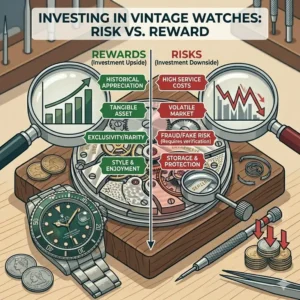
However, it isn’t all sunshine and rainbows. The “vintage watch investment” market is plagued by fakes. And I am not just talking about cheap $20 knockoffs. I am talking about “Super-Frankens”—watches that use 90% real parts but have a fake dial or a swapped movement. If you don’t know what you are looking at, you could lose thousands.
Also, maintenance is a hidden cost. Unlike a stock portfolio, a watch needs “oil changes.” A full service for a vintage chronograph can cost $800 to $1,500. If you don’t factor this into your ROI (Return on Investment), you aren’t really making money.
Features Comparison: Vintage vs. Modern Alternatives
| Feature | Vintage Watches | Modern Luxury Watches | Smartwatches (Apple/Garmin) |
| Value Retention | High (for top brands) | Moderate (loses 20% initially) | Low (obsolete in 3 years) |
| Durability | Moderate (fragile crystals) | High (Sapphire/Ceramic) | High (but electronics fail) |
| Craftsmanship | Hand-finished/Historical | Machine-precise | Mass-produced |
| Maintenance | High/Frequent | Low (every 10 years) | None (disposable) |
| Investment Potential | Excellent | Fair to Good | Zero |
Detailed Analysis: Are Vintage Watches a Good Investment in 2026?
To answer if are vintage watches a good investment, we have to look at the macro trends. In 2026, we are seeing a “flight to quality.” In the early 2020s, everything was going up—even beat-up, common watches. Today, the market is much smarter.
The Importance of Condition
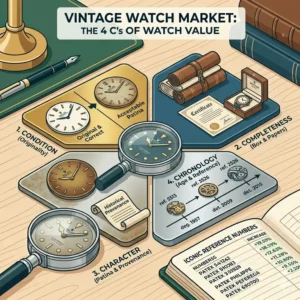
In the world of investing in vintage watches, condition is everything. A Rolex Datejust with a polished-to-death case might be worth $3,000, while the exact same model in “unpolished” condition with sharp lugs could fetch $7,000. Collectors today value “honesty.” They want the scratches that tell a story, but they don’t want a watch that has been “made new” by a machine that grinds away the metal.
Provenance and Paperwork
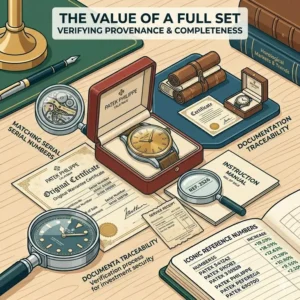
If you can find a watch with its original box and papers (B&P), you have hit the jackpot. This is known as “Full Set” collecting. In the vintage watch investment world, a full set can command a 20% to 50% premium over a “naked” watch. It provides a paper trail that proves the watch hasn’t been stolen or heavily modified.
Key Benefits Comparison: Why Go Vintage?
| Benefit Category | Vintage Advantage | Traditional Asset (e.g., Stocks) |
| Portability | You can wear your wealth across borders. | Tied to brokerage accounts. |
| Utility | It tells time and looks stylish. | No physical utility. |
| Social Signal | Indicates taste and historical knowledge. | Indicates only financial wealth. |
| Scarcity | Production stopped decades ago. | Companies can issue more shares. |
| Tax Implications | Often treated as personal property. | Subject to capital gains tax. |
How to Start Your Vintage Watch Collecting Journey
I remember my first “real” vintage purchase. It was a beat-up Seiko diver. I spent weeks researching the serial numbers to make sure the dial matched the year. That is the level of obsession you need if you want to buy vintage watches for investment.
1. Education is Free, Mistakes are Expensive
Before you spend a dime, read. Sites like Hodinkee or Fratello Watches are goldmines of information. Learn the difference between a “radium” dial and a “tritium” dial. Understand why a “tropical” dial (one that has faded from black to brown) is worth more than a perfect black one.
2. Buy the Seller, Not the Watch
This is the golden rule of vintage watch collecting. If the seller has a 60% rating on eBay and is shipping from a country with no return laws, run away. Even if the price is amazing, it is not worth the risk. Look for established dealers in the USA who have a physical presence and a reputation to protect.
3. Focus on “Neo-Vintage”
If you are worried about the fragility of a 1950s watch, consider “Neo-vintage”—watches from the late 1980s to the early 2000s. These often have modern conveniences like sapphire crystals and better water resistance but still have the “soul” and investment potential of older pieces. This is a huge trend for those wondering should I buy a vintage watch without the headache of constant repairs.
Budget/Value Comparison: Finding Your Entry Point
| Budget Tier | Typical Brands | Expected Annual Growth | Risk Level |
| Entry ($500 – $2,000) | Seiko, Hamilton, Bulova | 3% – 5% | Low |
| Mid-Tier ($2,000 – $8,000) | Omega, Longines, Tudor | 5% – 10% | Medium |
| Premium ($8,000 – $30,000) | Rolex, Cartier, Heuer | 10% – 15% | High (Price Volatility) |
| Grail ($30,000+) | Patek Philippe, Audemars Piguet | 15%+ | High (Liquidity Risk) |
🔍 Expert Tip: The 10% Maintenance Rule
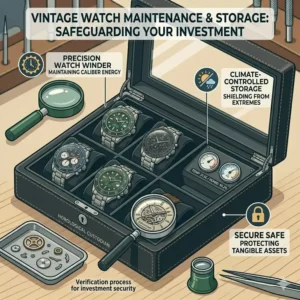
Always set aside 10% of your purchase price for an immediate service. Most vintage watches sold online haven’t been oiled in years. Running a dry vintage movement is like driving a car without oil—you will destroy the parts, and your vintage watches as an investment will crumble.
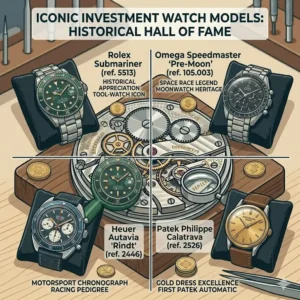
Performance Metrics: Tracking Your Investment
How do you know if you are winning? You need to track the market. Use tools like Chrono24’s “Watch Collection” feature or specialized apps that aggregate auction results.
Case Study: The Growth of the Omega Speedmaster
In 2016, a decent vintage Speedmaster Professional (ref. 145.022) could be found for around $3,500. By 2026, that same watch in good condition is regularly clearing $10,000. That is an incredible return that beats most mutual funds. This is why people are so obsessed with the question: should you invest in vintage watches?
Requirements Analysis for New Investors
| Requirement | Importance | Why it Matters |
| Originality | Mandatory | Replaced hands or dials kill the value. |
| Service History | High | Prevents immediate expensive repairs. |
| Research Time | High | Prevents buying a “Franken-watch.” |
| Patience | Mandatory | Don’t buy the first one you see; wait for the right one. |
| Insurance | Recommended | Vintage watches are easy to steal or lose. |
Common Pitfalls: Why Investing in Vintage Watches Fails
I have seen people lose their shirts because they thought they found a “deal.” There are no deals in the vintage watch world—only fair prices and scams.
1. The “Redial” Trap
A redial is when the original face of the watch was damaged, and someone painted a new one. To a casual observer, it looks “new.” To a collector, it is worth almost nothing. It’s like painting over a Picasso with a Sharpie. If the text on the dial looks even slightly “fuzzy” or off-center, walk away.
2. The Over-Polished Case
We mentioned this before, but it bears repeating. Collectors love “chamfers”—the sharp, angled edges on the lugs of a watch. When a watch is polished too much, these edges become rounded and “soft.” An over-polished watch is a red flag in the vintage watch investment community.
3. Ignoring the Movement
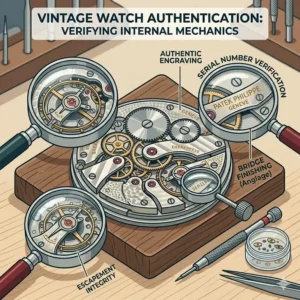
Just because it looks pretty on the outside doesn’t mean it’s healthy on the inside. Ask for “timegrapher” photos. These show the “amplitude” and “beat error” of the movement. If the amplitude is below 200, the watch needs an expensive service immediately.
✨ Join the Elite Collectors Club!
🔍 Don’t let another year tick by without starting your collection. Click the highlighted products in this guide to find your perfect match. Whether it’s for your wrist or your vault, a vintage watch is the ultimate statement of style and smarts. Check current availability now! 🚀
Conclusion: Making Your Mark on Time
So, we have covered a lot of ground. We have looked at why should you invest in vintage watches, the specific models that are heating up in 2026, and the pitfalls you need to dodge. Investing in these mechanical wonders is more than just a financial move; it is a hobby that connects you to history, engineering, and art.
If you are looking for a quick flip to make a buck tomorrow, the vintage watch market probably isn’t for you. But if you have the patience to research, the discipline to wait for the right piece, and the passion to appreciate the “hum” of a 60-year-old movement, then you are in for a rewarding ride. Remember, you don’t really own a vintage watch; you just look after it for the next generation. And if that next generation happens to pay you double what you spent, well, that is just the cherry on top.
Ready to take the plunge? Start small, stay curious, and always, always buy what you love. Because at the end of the day, if the market crashes, you still have a beautiful piece of history on your wrist to tell you exactly how long you have to wait for the rebound.
FAQs
✅ Vintage Rolex models generally offer higher appreciation potential due to their finite supply. While new models are easier to buy at retail (if you can find them), vintage pieces like the Submariner or GMT-Master have a proven track record of outperforming inflation and stock markets over decades...
✅ Verification requires checking serial numbers against production years, inspecting dial fonts under a loupe, and ensuring movement calibers match the reference. Always request high-resolution photos of the movement and the inside of the case back where reference numbers are typically engraved...
✅ Actually, 'honest' wear can enhance value. Collectors prefer a scratched, unpolished case over one that has been buffed smooth, as it preserves the original geometry. Deep gouges are bad, but light surface scratches are often seen as 'patina' and proof of authenticity...
✅ Vintage Seiko chronographs (like the 6139) and manual-wind Hamiltons are excellent entry points under $1000. These brands have strong enthusiast followings and historical significance, ensuring there will always be a liquid market when you decide to sell your timepiece later...
✅ Generally, no. Most serious collectors prefer to buy a watch in 'as-found' condition and use their own trusted watchmaker. Providing a service history is great, but don't spend $500 on a service just to increase the price by $300; you won't recoup the cost... ❓ Is it better to buy a vintage Rolex or a new one for investment?
❓ How can I tell if a vintage watch is 100% original?
❓ Do vintage watches lose value if they are scratched?
❓ What is the most affordable vintage watch with good investment potential?
❓ Should I get my vintage watch serviced before selling it?
Recommended for You:
- 7 Best Watch and Bracelet Combinations for Men to Elevate Your Style in 2026
- Watches that look good with casual wear: 7 Best Stylish Picks!
- Best Entry-Level Luxury Watches: 7 Elite Picks for 2026 Success!
Disclaimer: This article contains affiliate links. If you purchase products through these links, we may earn a small commission at no additional cost to you.
✨ Found this helpful? Share it with your friends! 💬🤗