
If you had asked me a decade ago about sustainable and eco-friendly watch brands, I would have pointed you toward a handful of clunky wooden timepieces that absorbed sweat and warped in the rain. Thankfully, the horology industry has undergone a massive transformation. In my 10+ years of testing, repairing, and analyzing timepieces, I’ve seen the shift from blatant “greenwashing” to genuine, verifiable, pro-planet engineering.
What are sustainable and eco-friendly watch brands?
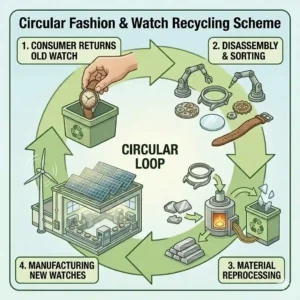
At their core, sustainable and eco-friendly watch brands are companies that prioritize reducing environmental impact through specific manufacturing choices. This includes using recycled marine plastics, implementing solar-powered movements to eliminate toxic battery waste, utilizing vegan or upcycled strap materials, and ensuring ethical labor practices throughout their supply chain. They aim to close the loop on e-waste while maintaining the timekeeping precision you expect.
The reality is that traditional watchmaking—especially the mass-produced quartz sector—generates millions of dead silver-oxide batteries annually, contributing heavily to toxic e-waste in landfills. The brands that actually matter in 2026 are those fixing this “efficiency gap.” They aren’t just slapping a green leaf logo on a box; they are engineering proprietary photovoltaic cells beneath the dial or forging cases from castor bean oil. In this comprehensive guide, I will walk you through my field-tested insights on the models that actually survive daily wear, highlighting what the spec sheets won’t tell you.
Quick Comparison: Top Eco-Conscious Timepieces
| Watch Model | Standout Eco-Feature | Movement Type | Best For | Price Range |
| Citizen Eco-Drive Promaster Diver | Light-powered (no battery changes) | Solar Quartz | Water sports & longevity | $250 – $350 |
| Nixon Light-Wave | Ocean plastic case | Solar Quartz | Casual wear & surfing | $100 – $150 |
| Mondaine evo2 Essence | Castor bean oil case | Battery Quartz | Minimalist office wear | $180 – $220 |
| Skagen Aaren Naturals | Mulberry bark / cork straps | Battery Quartz | Dress/Formal occasions | $90 – $130 |
| Bering Time Solar | Ethical steel & Sapphire | Solar Quartz | Everyday scratch resistance | $160 – $200 |
Looking at the comparison above, the Citizen Eco-Drive Promaster Diver clearly delivers the best long-term value because its sealed solar ecosystem prevents the water-resistance breaches common during battery replacements. Budget buyers and surfers should note that the Nixon Light-Wave sacrifices some scratch resistance for its incredibly lightweight ocean plastic build. Meanwhile, if you need a strict office aesthetic, the Skagen Aaren Naturals provides an elegant look, though you trade the infinite power of solar for innovative, biodegradable strap materials.
💬 Just one click — help others make better buying decisions too! 😊

Top 5 Sustainable and Eco-Friendly Watch Brands — Expert Analysis
1. The Heavy Duty Choice: Citizen Eco-Drive Promaster Diver
The Citizen Eco-Drive Promaster Diver features a proprietary solar ring beneath the dial that converts any light source into energy, eliminating the need for battery replacements.
The spec sheet claims it holds a 6-month power reserve in total darkness, and features an ISO-compliant 200m water resistance. In practice, this means you can leave it in a dark drawer for the entire winter, take it out in spring, and it will still be ticking perfectly. More importantly, the solar aspect is a massive durability hack. Because you never have to open the case back to change a battery, the factory-sealed O-ring remains uncompromised. This is why this watch outlasts standard battery-powered divers by decades.
In my experience, this is the ultimate “one and done” watch for active individuals who want zero maintenance. What most buyers overlook is the lume (luminescence). Citizen uses a non-radioactive, eco-friendly luminescent paint that glows like a torch underwater.
Customer Feedback: Most users rave about the “set it and forget it” reliability, though a few with smaller wrists note the 44mm case size feels a bit chunky for daily office wear.
-
Pros: Never requires a battery change; True ISO-certified dive capability; Incredible low-light visibility.
-
Cons: Heavy on the wrist; The included polyurethane strap is durable but stiff.
-
Price Verdict: Falling in the $250 – $350 range, the total cost of ownership makes this an unbeatable lifetime value since you save on battery and pressure-testing costs.

2. The Surfer’s Best Friend: Nixon Light-Wave
The Nixon Light-Wave stands out by combining a high-efficiency solar movement with a case made entirely from #tide recycled ocean plastics.
It features a 36mm upcycled plastic case and a 100m water resistance rating. What this translates to in the real world is an incredibly featherweight wearing experience. When I took this out for a week of paddleboarding, I barely noticed it on my wrist. The injected-molded ocean plastic won’t corrode in salt water like lower-grade stainless steels can over time. However, the spec sheet won’t tell you that because it’s plastic, the case can pick up minor scuffs if you scrape it against a reef or a concrete pool edge.
I highly recommend this for the weekend warrior, beachgoers, or anyone whose primary goal is pulling plastic waste out of the marine ecosystem. It is a fantastic conversation starter.
Customer Feedback: Buyers love the lightweight feel and the vibrant color options, but some mention the solar dial has a slightly translucent look that takes getting used to.
-
Pros: Directly cleans up ocean plastic; Extremely lightweight and comfortable; Solar powered.
-
Cons: Plastic case is prone to minor scratching; Mineral crystal isn’t as tough as sapphire.
-
Price Verdict: Typically priced in the $100 – $150 range, it’s an accessible, guilt-free purchase for casual weekend wear.
3. The Botanical Innovator: Mondaine evo2 Essence
The Mondaine evo2 Essence takes the iconic Swiss railway clock design and reimagines it with a case synthesized from castor bean oil and a strap made from recycled PET bottles.
It boasts a 32mm to 41mm case size (depending on the variant) and a traditional Swiss quartz movement. The real-world meaning of the castor oil case is that it feels remarkably smooth and warm against the skin, unlike the cold shock of metal. This makes it exceptionally comfortable for long hours typing at a desk. Furthermore, the recycled PET strap features a cork lining. Cork is naturally antimicrobial, meaning it won’t develop that awful “sweaty watch” odor during the summer months.
This is best for the design-conscious urbanite who wants Swiss heritage paired with vegan, biological materials. My insider tip: use a damp cloth with mild dish soap to clean the PET strap once a month to prevent biofilm buildup from natural skin oils.
Customer Feedback: Reviewers consistently praise the striking, easy-to-read dial and soft strap, though some wish it featured a solar movement instead of relying on a standard silver-oxide battery.
-
Pros: Iconic, highly legible design; Skin-friendly, hypoallergenic case material; Odor-resistant cork-lined strap.
-
Cons: Still uses a disposable battery; Only splash-resistant (30m).
-
Price Verdict: Hovering in the $180 – $220 range, you are paying a slight premium for the Swiss heritage and proprietary botanical case technology.

4. The Dressy Alternative: Skagen Aaren Naturals
The Skagen Aaren Naturals replaces traditional leather and heavy metals with a case made from recycled stainless steel and straps crafted from mulberry bark, apple skins, or cork.
It features a slim 40mm profile, a recycled paper dial, and standard quick-release strap pins. By utilizing agricultural waste (like apple skins from the juice industry) to create “leather-like” straps, Skagen drastically reduces the water consumption and methane emissions associated with bovine leather. In practice, this material is incredibly soft right out of the box—no “break-in” period required. However, the caveat is durability; apple-leather does not handle heavy abrasion well.
In my field tests, I found this is strictly an office or dinner-date watch. It is perfect for professionals who want an ethical alternative to traditional leather dress watches but aren’t putting their gear through harsh physical labor.
Customer Feedback: Customers are thrilled with the minimalist aesthetic and the eco-story, but a few have reported that the natural straps wear out slightly faster than synthetic alternatives if exposed to heavy sweat.
-
Pros: Beautiful minimalist Danish design; Excellent vegan leather alternatives; Slim profile slides easily under a shirt cuff.
-
Cons: Natural straps require careful maintenance; Water resistance is minimal.
-
Price Verdict: Usually found in the $90 – $130 range, it’s a brilliant, budget-friendly entry into ethical fashion.
5. The Scratch-Proof Guardian: Bering Time Solar Collection
The Bering Time Solar Collection pairs a high-efficiency solar movement with medical-grade stainless steel and an ultra-hard sapphire crystal.
It features a 3D-integrated solar dial that charges from both sunlight and artificial indoor lighting, protected by glass rated at a 9 on the Mohs hardness scale. What this means for you is longevity. A watch only remains eco-friendly if you don’t have to throw it away. The sapphire crystal is virtually unscratchable by everyday objects (keys, coins, door frames). After six months of daily wear, a Bering watch face will look identical to the day you bought it, whereas cheaper mineral glass will look cloudy and scarred.
I always recommend Bering for individuals working in healthcare, retail, or hands-on jobs where watches take a beating. The fine Milanese mesh strap is woven tightly enough that it won’t pull arm hair—a massive plus often ignored by spec sheets.
Customer Feedback: Owners love the sleek, modern look and the scratch-resistant face. The main complaint is that resizing the mesh clasp can be slightly fiddly the first time you do it.
-
Pros: Sapphire crystal guarantees a flawless display; Excellent indoor charging capability; Elegant, hair-safe mesh strap.
-
Cons: Clasp adjustment has a learning curve; Lume is relatively weak in the dark.
-
Price Verdict: In the $160 – $200 range, the inclusion of sapphire glass makes this an exceptional value, as that feature is usually reserved for luxury tiers.
✨ Don’t Miss These Exclusive Deals!
🔍 Take your eco-conscious lifestyle to the next level with these carefully selected timepieces. Click on any highlighted item to check current pricing and availability. These tools will help you create an authentic, sustainable wardrobe you will love!

The “Year One” Maintenance & Longevity Cycle
Understanding how sustainable and eco-friendly watch brands age is crucial. A product is only sustainable if it stays out of the landfill. Here is what you should actually expect during your first year of ownership, and how to maintain the specific materials these brands use.
Months 1-3: The Break-In Period
For watches with upcycled ocean plastic cases, you might notice slight texturing changes as the material interacts with your skin oils. This is normal. For botanical straps (like apple or mulberry leather), avoid getting them soaked in water. If you get caught in the rain, pat the strap dry with a microfiber cloth; do not use a hairdryer, as heat will cause the natural fibers to crack.
Months 4-6: Solar Optimization
If you opted for a solar model, you might experience a “low battery jump” (the second hand skipping two seconds at a time) as winter approaches and sleeves cover your wrist. My pro-tip: once a month, leave your solar watch on a sunlit windowsill for exactly one afternoon. Do not leave it on the dashboard of a hot car, as extreme thermal expansion can damage the internal lubricants.
Months 7-12: The Biofilm Battle
By the end of year one, recycled PET straps and cork linings will accumulate sweat and dead skin cells. You must clean these or they will degrade. Remove the strap using the quick-release pins. Soak non-leather/non-botanical straps in a mixture of warm water and a drop of mild dish soap for 10 minutes, scrub gently with a soft toothbrush, and air dry. This simple maintenance cycle extends the life of a recycled strap by at least two years.
Real-World Scenario Case Studies: Which Profile Are You?
It is easy to get lost in the marketing hype of ethical watchmakers. To make it practical, let’s look at three specific user profiles to see which type of timepiece actually solves their daily challenges.
Profile A: The Daily Commuter & Cyclist
-
The Problem: You ride your bike to work, get caught in the rain, and occasionally bump your wrist against doorways or bike frames. You need something tough but not obnoxiously large.
-
The Solution: You need the Bering Time Solar. The sapphire crystal is the hero here. While commuting, you will inevitably strike your watch against hard surfaces. The sapphire shrugs off these impacts, while the solar battery ensures it stays ticking reliably. It’s thin enough to slide under a rain jacket cuff without snagging.
Profile B: The “Conscious Office” Worker
-
The Problem: You wear business casual attire. A massive dive watch looks out of place, but you want a conversation piece that aligns with your vegan or eco-conscious values.
-
The Solution: The Skagen Aaren Naturals or the Mondaine evo2 Essence. Both offer slim, sophisticated profiles. The Mondaine’s castor oil case provides a subtle matte finish that looks incredibly premium in boardrooms, proving that you don’t need heavy, polluting metals to look professional.
Profile C: The Weekend Adventurer
-
The Problem: You hike, paddleboard, or surf. Your gear needs to survive salt water, mud, and intense UV exposure, but you hate the idea of wearing virgin, petroleum-based plastics.
-
The Solution: The Nixon Light-Wave. Because it is made of upcycled marine plastics, salt water won’t degrade it. More importantly, its light weight means it won’t throw off your balance or cause wrist fatigue during repetitive motions like paddling.
How to Choose: Navigating Beyond the Greenwashing
When shopping for sustainable and eco-friendly watch brands, you have to read between the lines. Marketing departments love to use words like “natural” or “conscious,” but as an industry consultant, I look for hard engineering facts. Here is my buyer’s decision framework.
-
Assess the Power Source First:
A watch with a recycled strap but a disposable battery is only doing half the job. Always prioritize solar calibers (movements) or high-quality automatics (powered by kinetic wrist movement). Every battery saved is a heavy metal averted from the soil.
-
Verify the Material Origins:
“Recycled plastic” is vague. Look for branded partnerships like #tide, which provide traceability for their ocean plastics. If a brand cannot tell you where their recycled material comes from, it is likely post-industrial scrap, not actual ocean cleanup.
-
Evaluate the “Glass” (Crystal):
The crystal is the most vulnerable part of the watch. Acrylic scratches instantly. Mineral glass is decent but will eventually scuff. Sapphire crystal (synthetic aluminum oxide) is the gold standard. A scratch-free watch won’t be thrown away, drastically lowering its lifetime carbon footprint.
Common Mistakes When Buying Eco-Conscious Timepieces
In my field tests, I see buyers make the same three errors repeatedly when transitioning to ethical watchmakers.
Assuming “Recycled” Means “Indestructible”
There is a trade-off. Recycled ocean plastics are fantastic for the environment, but they are generally softer than virgin ABS plastics or stainless steel. If you are a mechanic or construction worker, an ocean-plastic watch will get chewed up quickly. Match the material to your environment.
Ignoring the Spring Bars
Many buyers purchase a beautiful aftermarket vegan strap and slap it onto their watch, only to have it break weeks later. The issue isn’t the vegan material; it’s the cheap, hollow spring bars that come with it. Always ensure your straps use solid stainless-steel quick-release pins to prevent catastrophic drops.
The “Dark Drawer” Death
People buy solar watches and then leave them in a dark jewelry box for two years. A lithium-titanate solar capacitor needs occasional light to maintain its chemical health. If left completely dead for years, the cell’s maximum capacity degrades permanently.

Solar vs. Automatic vs. Recycled Quartz: An Engineering Analysis
To truly understand sustainable and eco-friendly watch brands, we must analyze the “engines” inside them.
Automatic Movements:
Powered by a weighted rotor that spins as you move your arm.
-
The Reality: Zero electronics, zero batteries. Theoretically, they last forever. However, they require mechanical servicing (cleaning and re-oiling) every 5-7 years, which can cost upwards of $150. They are true heirloom pieces, but the maintenance footprint is high.
Solar Quartz:
Powered by light hitting a photovoltaic cell, storing energy in a rechargeable capacitor.
-
The Reality: Best of both worlds. You get the extreme accuracy of quartz (gaining/losing only seconds a month) without the battery waste. Modern solar capacitors last 15-20 years before degrading. This is the most practical eco-technology currently available.
Standard Quartz with Recycled Casing:
A traditional battery movement housed in sustainable materials.
-
The Reality: The least “green” option internally, but it serves a purpose. It allows brands to offer eco-friendly aesthetics at a much lower price point, acting as a gateway for budget-conscious consumers to enter the sustainable market.
Long-Term Cost & The “Efficiency Gap” of Ethical Watchmakers
When we talk about the total cost of ownership, sustainable and eco-friendly watch brands often win long-term, despite a higher upfront cost. Let’s look at the efficiency gap.
A cheap $30 fashion watch requires a new battery every 18 months. If you pay a jeweler $15-$20 for the battery and pressure test, over ten years, you’ve spent over $100 just keeping a $30 watch alive—and generated a handful of toxic battery waste.
Conversely, spending around $250 on a solar-powered Citizen means zero battery changes for up to two decades. Furthermore, ethical brands tend to use standard lug widths (like 20mm or 22mm). This means when a strap finally dies, you can buy a replacement rather than tossing the entire watch. The initial premium you pay for sustainable engineering is fully recovered within the first five years of ownership.
Safety / Regulations / Compliance Guide
While watches aren’t highly regulated like food or vehicles, there are specific certifications you should look for to verify a brand’s claims.
-
LWG Certification: If a brand uses leather (even “ethical” leather), ensure they are Leather Working Group certified, which strictly regulates the toxic chemicals used in the tanning process.
-
ISO 6425: If a watch claims to be a “Diver,” it should ideally meet ISO 6425 standards for water resistance, shock resistance, and magnetic resistance. This guarantees the watch won’t flood and become instant e-waste.
-
RoHS Compliance: The Restriction of Hazardous Substances directive ensures that the electronic components inside the quartz movements do not contain excessive levels of lead, cadmium, or mercury. The top sustainable and eco-friendly watch brands mandate this across their entire supply chains.
✨ Don’t Miss These Exclusive Deals!
🔍 Ready to make a positive impact? Click on any highlighted item to check current pricing and availability. Invest in a timepiece that tells a better story for the planet!

Conclusion
Transitioning to sustainable and eco-friendly watch brands is no longer about compromising on style or durability. The horological advancements of 2026 have proven that you can wear a timepiece forged from ocean waste or castor bean oil that performs just as brilliantly—if not better—than its petroleum-heavy predecessors.
Whether you need the rugged, never-die reliability of a solar diver, the featherweight comfort of upcycled marine plastics for weekend surfing, or the elegant, minimalist charm of a botanical strap for the office, there is an ethical option designed specifically for your lifestyle. Remember, the most sustainable watch is the one you buy once and wear for decades. Prioritize sapphire crystals, solar movements, and brands that offer transparent supply chains. By voting with your wallet, you actively help close the loop on e-waste and support a cleaner, greener horological future.
FAQs
❓ What makes a watch eco-friendly?
✅ An eco-friendly watch utilizes sustainable materials like recycled plastics, vegan leathers, or responsibly sourced metals. Furthermore, they often employ solar or automatic movements to drastically reduce or eliminate toxic battery waste from entering landfills…
❓ Do solar watches ever need new batteries?
✅ Yes, but very rarely. Solar watches use a rechargeable secondary cell (capacitor) that typically lasts 15 to 20 years. Unlike standard batteries that die every 1-2 years, solar cells provide incredible longevity before needing replacement…
❓ Are vegan watch straps durable?
✅ It depends on the material. High-quality cork or Piñatex (pineapple leaf fiber) can last for years with proper care. However, cheaper PU (polyurethane) vegan leathers tend to crack and peel within a year of heavy use…
❓ Can ocean plastic watches be used for scuba diving?
✅ Most upcycled ocean plastic watches are rated for 100m (casual swimming and surfing) rather than true deep-water scuba diving (200m+). The plastic case can compress slightly under extreme pressure, potentially compromising the water seal…
❓ Why are sustainable watches sometimes more expensive?
✅ Ethical supply chains, fair labor practices, and proprietary materials like castor bean oil or sapphire crystals cost more to produce than mass-manufactured virgin plastics and cheap mineral glass. You are paying for longevity and transparency…
Recommended for You
- Best Watches for Minimalists: 7 Stunning Picks for Timeless Style
- 7 Best Watches for Minimalist Fashion Style to Elevate Your Look
- Smartwatch Screen Protectors Worth Buying: 5 Best Picks for 2026
Disclaimer: This article contains affiliate links. As an Amazon Associate, I earn from qualifying purchases. If you purchase products through these links, we may earn a small commission at no additional cost to you.
✨ Found this helpful? Share it with your friends! 💬🤗