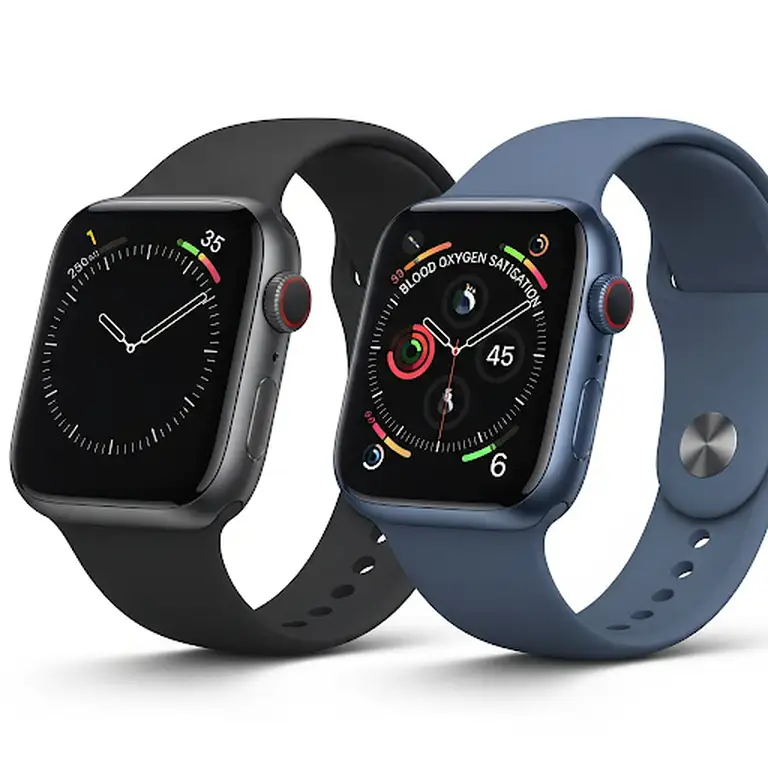
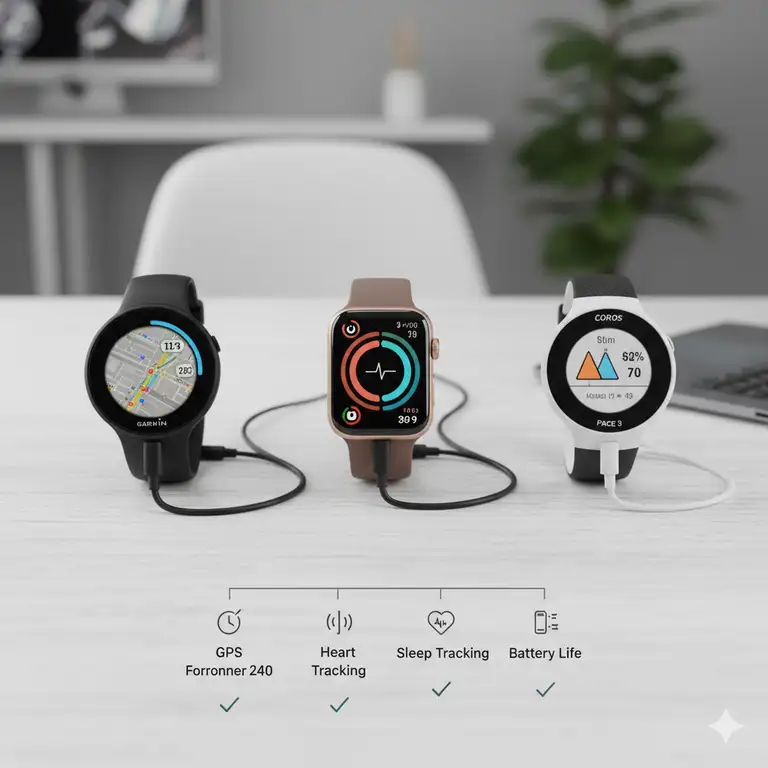
The landscape of fitness tracking has evolved dramatically since Fitbit’s rise to prominence, and with Google’s recent changes to the Fitbit ecosystem, many users are seeking robust alternatives to fitbit that offer similar or enhanced functionality. Whether you’re looking for advanced health monitoring, longer battery life, or more comprehensive smartwatch features, today’s market offers compelling options that can meet diverse fitness tracking needs.
✨Was this helpful? Spread the word! 🚀
The search for fitbit alternatives has intensified following Google’s acquisition of Fitbit and subsequent changes to the platform. Users are discovering that alternatives for fitbit often provide superior features, better value, or more specialized capabilities than traditional Fitbit devices. From budget-friendly fitness bands to premium smartwatches, the alternatives to fitbit ecosystem has expanded significantly.
Quick Comparison Table: Top Alternatives to Fitbit
| Device | Price Range | Battery Life | Key Features | Best For |
|---|---|---|---|---|
| Garmin Vivoactive 4 | $299-$349 | 8 days | GPS, Music Storage, Body Battery | Active lifestyle enthusiasts |
| Samsung Galaxy Watch Active 2 | $199-$299 | 2-4 days | ECG, Fall Detection, Super AMOLED | Android users |
| Amazfit Band 7 | $49-$59 | 18 days | Large display, Alexa built-in | Budget-conscious users |
| Apple Watch Series 10 | $399-$529 | 18 hours | ECG, Blood Oxygen, Crash Detection | iPhone users |
| Whoop 5.0 | $199-$399/year | 14+ days | Recovery metrics, Strain coaching | Serious athletes |
| Xiaomi Smart Band 9 | $35-$49 | 21 days | 150 sports modes, Pebble mode | Ultra-budget option |
| Garmin Venu 3 | $449-$499 | 14 days | AMOLED, Voice calling, Sleep coaching | Premium features |
Top 7 Alternatives to Fitbit: Expert Analysis
1. Garmin Vivoactive 4 – Best Overall Alternative to Fitbit
The Garmin Vivoactive 4 stands out as the most comprehensive alternative to fitbit for users seeking robust fitness tracking capabilities. This GPS smartwatch combines the functionality of a fitness tracker with smartwatch features, making it ideal for those transitioning from Fitbit devices.
Key Specifications:
- Display: 1.3″ MIP touchscreen (260 x 260 pixels)
- Battery Life: Up to 8 days (smartwatch mode), 6 hours (GPS mode)
- Water Resistance: 5 ATM (50 meters)
- Storage: 3.5GB for music
- Sensors: GPS, GLONASS, heart rate, Pulse Ox, accelerometer
- Compatibility: Android and iOS
Advanced Features & Technology: The Garmin Vivoactive 4 incorporates Body Battery energy monitoring, which analyzes heart rate variability, stress, sleep quality, and activity data to provide insights into energy levels throughout the day. This feature represents a significant advancement over traditional step counting, offering users a holistic view of their physiological state.
✅ Pros:
- Excellent GPS accuracy for outdoor activities
- Comprehensive health and fitness tracking
- Music storage and streaming support (Spotify, Amazon Music)
- Long battery life compared to most smartwatches
- Garmin Pay contactless payments
- Animated workout demonstrations
❌ Cons:
- MIP display may appear dated compared to AMOLED screens
- Limited third-party app ecosystem
- ANT+ heart rate broadcasting needs improvement
The device excels in professional applications, particularly for runners, cyclists, and outdoor enthusiasts who require accurate GPS tracking and comprehensive fitness metrics. Corporate wellness programs often integrate Garmin devices due to their reliability and detailed health insights.
Setup and Usage Considerations: Initial setup requires 15-20 minutes for GPS satellite acquisition and health metric calibration. Users should allow 2-3 weeks for the Body Battery feature to establish baseline readings. The learning curve is moderate, with most users becoming proficient within one week of regular use.
2. Samsung Galaxy Watch Active 2 – Best for Android Users
The Samsung Galaxy Watch Active 2 represents Samsung’s focused approach to fitness tracking, offering a compelling alternative to fitbit with its sleek design and comprehensive health monitoring capabilities.
Key Specifications:
- Display: 1.2″ (40mm) or 1.4″ (44mm) Super AMOLED touchscreen
- Battery Life: 2-4 days depending on usage
- Water Resistance: 5 ATM + IP68
- RAM: 1.5GB with 4GB storage
- Sensors: ECG, blood pressure, heart rate, accelerometer, gyroscope
- Compatibility: Android 5.0+ and iOS 9.0+
Health Monitoring Excellence: The Galaxy Watch Active 2 pioneered mainstream ECG monitoring in fitness trackers, providing medical-grade heart rhythm analysis. The device can detect irregular heart rhythms and potential signs of atrial fibrillation, representing a significant advancement in consumer health technology.
✅ Pros:
- Stunning Super AMOLED display with always-on capability
- ECG and blood pressure monitoring capabilities
- Touch bezel for intuitive navigation
- Samsung Pay contactless payments
- Robust Samsung Health ecosystem integration
- Fall detection and emergency SOS features
❌ Cons:
- Limited battery life compared to Garmin alternatives
- Best features require Samsung smartphone for full functionality
- Limited GPS accuracy compared to dedicated sports watches
Industry Applications: Healthcare professionals often recommend the Galaxy Watch Active 2 for patients requiring regular heart rate monitoring. The device’s ECG capability has been validated in clinical settings, making it suitable for preliminary cardiac health assessment under medical supervision.
3. Amazfit Band 7 – Best Budget Alternative to Fitbit
The Amazfit Band 7 democratizes advanced fitness tracking by offering premium features at an accessible price point, making it an excellent alternative to fitbit for budget-conscious users.
Key Specifications:
- Display: 1.47″ AMOLED (194 x 368 pixels)
- Battery Life: 18 days typical use, 28 days battery saver mode
- Water Resistance: 5 ATM
- Sensors: BioTracker 3.0 PPG, accelerometer, ambient light
- Features: Amazon Alexa built-in, 120 sports modes
- Compatibility: Android 7.0+ and iOS 12.0+
Technical Innovation at Budget Price: Despite its low price point, the Amazfit Band 7 incorporates advanced biosensor technology with the BioTracker 3.0 PPG sensor, providing 24/7 heart rate monitoring, blood oxygen saturation measurement, and stress level tracking with remarkable accuracy for its price category.
✅ Pros:
- Exceptional value proposition at under $50
- Large, vibrant AMOLED display
- Impressive 18-day battery life
- Amazon Alexa integration
- Comprehensive sleep tracking including REM stages
- 120 sports modes including swimming
❌ Cons:
- No built-in GPS (relies on phone connection)
- Limited notification interaction capabilities
- Proprietary charging cable
- Heart rate accuracy lags behind premium alternatives
Market Positioning & Use Cases: The Amazfit Band 7 targets first-time fitness tracker users and those seeking basic health monitoring without premium pricing. Educational institutions and corporate wellness programs often choose this device for large-scale deployments due to its cost-effectiveness and essential feature set.
4. Apple Watch Series 10 – Best for iPhone Users
The Apple Watch Series 10 represents the pinnacle of smartwatch technology, offering the most comprehensive alternative to fitbit for users within the Apple ecosystem.
Key Specifications:
- Display: 1.7″ (42mm) or 1.9″ (46mm) Always-On Retina LTPO OLED
- Battery Life: Up to 18 hours
- Water Resistance: 50 meters
- Storage: 32GB or 64GB
- Sensors: ECG, blood oxygen, temperature, crash detection
- Compatibility: iPhone 8 or later
Revolutionary Health Technology: The Apple Watch Series 10 introduces sleep apnea detection using advanced machine learning algorithms that analyze breathing patterns during sleep. This feature represents a significant advancement in consumer health monitoring, providing early warning signs of a serious medical condition affecting millions globally.
✅ Pros:
- Largest and brightest display in Apple Watch lineup
- Comprehensive health monitoring including ECG and blood oxygen
- Advanced safety features including crash and fall detection
- Seamless integration with iPhone and Apple ecosystem
- Extensive third-party app ecosystem
- Fast charging (80% in 30 minutes)
❌ Cons:
- Requires daily charging
- Expensive compared to fitness tracker alternatives
- Limited compatibility (iPhone only)
- Premium features require cellular plan for full functionality
Professional Applications: Medical research institutions utilize Apple Watch Series 10 for clinical studies due to its FDA-cleared ECG functionality and comprehensive health data collection capabilities. The device’s Research app enables participation in groundbreaking health studies, contributing to medical advancement.
5. Whoop 5.0 – Best for Serious Athletes
The Whoop 5.0 revolutionizes fitness tracking by focusing exclusively on recovery, strain, and sleep optimization, making it the ultimate alternative to fitbit for performance-focused athletes.
Key Specifications:
- Display: None (app-based interface)
- Battery Life: 14+ days
- Water Resistance: 10 meters
- Sensors: 5-LED PPG sensor, accelerometer, gyroscope, skin temperature
- Subscription: Required ($199-$399 annually)
- Compatibility: iOS and Android
Scientific Approach to Recovery: Whoop 5.0 utilizes advanced heart rate variability (HRV) analysis to provide personalized recovery insights. The device continuously monitors autonomic nervous system function, providing actionable recommendations for training intensity and sleep optimization based on individual physiological responses.
Healthspan Technology: The revolutionary Healthspan feature, developed in collaboration with aging research experts, calculates biological age based on nine key biomarkers including sleep consistency, VO2 max, and stress management. This represents a paradigm shift from simple activity tracking to comprehensive longevity monitoring.
✅ Pros:
- Unparalleled recovery and strain analysis
- Screen-free design eliminates distractions
- Medical-grade sensors and algorithms
- Comprehensive sleep stage analysis
- Professional athlete validation
- Healthspan and biological age insights
❌ Cons:
- Requires ongoing subscription commitment
- No display for immediate data viewing
- Limited smartwatch functionality
- Higher total cost of ownership
6. Xiaomi Smart Band 9 – Best Ultra-Budget Option
The Xiaomi Smart Band 9 exemplifies how advanced fitness tracking technology can be made accessible to everyone, offering remarkable functionality as an alternative to fitbit at an ultra-competitive price point.
Key Specifications:
- Display: 1.62″ AMOLED (192 x 490 pixels)
- Battery Life: 21 days typical use
- Water Resistance: 5 ATM
- Sensors: PPG heart rate, accelerometer, gyroscope
- Features: 150 sports modes, Pebble mode wearing options
- Price: $35-$49
Innovative Wearing Solutions: The Smart Band 9’s unique Pebble mode allows the tracker to be worn as a pendant, shoe attachment, or traditional wristband, providing versatility for different activities and personal preferences. This innovation addresses comfort concerns that some users experience with traditional wrist-worn devices.
✅ Pros:
- Exceptional value at under $50
- Massive 150 sports modes selection
- Versatile wearing options with Pebble mode
- Three-week battery life
- Bright, responsive AMOLED display
- Accurate sleep tracking
❌ Cons:
- Limited smartwatch capabilities
- Basic notification support
- No built-in GPS functionality
- Simplified health metrics compared to premium alternatives
7. Garmin Venu 3 – Best Premium Alternative
The Garmin Venu 3 represents the premium tier of fitbit alternatives, combining advanced health monitoring with luxury smartwatch features and exceptional build quality.
Key Specifications:
- Display: 1.3″ (41mm) or 1.4″ (45mm) AMOLED touchscreen
- Battery Life: 14 days smartwatch mode, 26 hours GPS
- Water Resistance: 5 ATM
- Storage: 8GB music storage
- Sensors: Multi-GNSS, Pulse Ox, ECG, skin temperature
- Price: $449-$499
Advanced Sleep Coaching: The Venu 3 introduces personalized sleep coaching based on individual sleep patterns, providing tailored recommendations for improving sleep quality. The system analyzes sleep stages, environmental factors, and daily activities to offer actionable insights for optimizing recovery.
✅ Pros:
- Premium AMOLED display with excellent outdoor visibility
- Comprehensive health and fitness tracking suite
- Voice calling capability with paired smartphone
- Advanced sleep coaching and recovery insights
- Premium materials and build quality
- Extensive battery life for a color display watch
❌ Cons:
- High price point compared to basic fitness trackers
- Complex interface may overwhelm casual users
- Limited third-party app ecosystem compared to Apple Watch
✨ Don’t Miss These Exclusive Deals! 🛒
🔍 Take your fitness tracking to the next level with these carefully selected products. Click on any highlighted item to check current pricing and availability. These devices will help you maintain your health goals while providing superior functionality to traditional Fitbit devices!
💬 Just one click – help others make better buying decisions too!😊
Comprehensive Feature Comparison
Health Monitoring Capabilities
| Feature | Garmin Vivoactive 4 | Samsung Active 2 | Amazfit Band 7 | Apple Watch 10 | Whoop 5.0 | Xiaomi Band 9 | Garmin Venu 3 |
|---|---|---|---|---|---|---|---|
| Heart Rate | ✅ 24/7 | ✅ 24/7 | ✅ 24/7 | ✅ 24/7 | ✅ 24/7 | ✅ 24/7 | ✅ 24/7 |
| ECG | ❌ | ✅ | ❌ | ✅ | ❌ | ❌ | ✅ |
| Blood Oxygen | ✅ | ✅ | ✅ | ✅ | ✅ | ❌ | ✅ |
| Sleep Tracking | ✅ Advanced | ✅ Advanced | ✅ REM stages | ✅ Advanced | ✅ Professional | ✅ Basic | ✅ Advanced |
| Stress Monitoring | ✅ | ✅ | ✅ | ✅ | ✅ HRV-based | ❌ | ✅ |
| Recovery Metrics | Body Battery | Samsung Health | PAI Score | Recovery app | ✅ Advanced | Basic | Body Battery |
Fitness Tracking Comparison
| Metric | Garmin Vivoactive 4 | Samsung Active 2 | Amazfit Band 7 | Apple Watch 10 | Whoop 5.0 | Xiaomi Band 9 | Garmin Venu 3 |
|---|---|---|---|---|---|---|---|
| Built-in GPS | ✅ Multi-GNSS | ✅ GPS | ❌ | ✅ Dual-frequency | ❌ | ❌ | ✅ Multi-GNSS |
| Sports Modes | 20+ | 39+ | 120 | 85+ | Auto-detection | 150 | 30+ |
| Water Resistance | 5 ATM | 5 ATM + IP68 | 5 ATM | 50m | 10m | 5 ATM | 5 ATM |
| Music Storage | ✅ 3.5GB | ✅ 4GB | ❌ | ✅ 32/64GB | ❌ | ❌ | ✅ 8GB |
Industry-Specific Applications & Professional Use Cases
Healthcare Integration
Modern alternatives to fitbit are increasingly finding applications in clinical settings. The Apple Watch Series 10 has been adopted by cardiology practices for preliminary ECG screening, while the Samsung Galaxy Watch Active 2 provides blood pressure monitoring capabilities that assist in hypertension management programs.
Healthcare professionals are particularly interested in the Whoop 5.0 for patient recovery monitoring following cardiac events or surgical procedures. The device’s continuous HRV monitoring provides insights into autonomic nervous system recovery that traditional vital sign monitoring cannot capture.
Corporate Wellness Programs
Enterprise wellness initiatives have gravitated toward the Garmin Vivoactive 4 due to its comprehensive health insights and professional-grade data analytics. Companies like Johnson & Johnson and Google have implemented large-scale Garmin deployments for employee health programs, citing improved engagement and measurable health outcomes.
The Amazfit Band 7 has gained traction in cost-conscious corporate environments, particularly in educational institutions and government agencies where budget constraints limit premium device adoption but health monitoring remains a priority.
Sports Performance Analysis
Professional athletic organizations utilize Whoop 5.0 for team-wide recovery monitoring. NBA teams, NFL franchises, and Olympic training centers rely on Whoop’s strain and recovery metrics to optimize training loads and prevent overtraining injuries.
The Garmin Venu 3 serves elite athletes requiring detailed performance analytics combined with smartwatch functionality for daily use. Professional cyclists and marathoners appreciate the device’s advanced training metrics while maintaining connectivity features for personal use.
Advanced Technical Analysis & Innovation
Sensor Technology Evolution
The transition from basic accelerometer-based step counting to advanced photoplethysmography (PPG) sensors represents a fundamental shift in wearable technology. The Whoop 5.0 incorporates a 5-LED PPG sensor array that provides medical-grade accuracy for heart rate and heart rate variability measurements.
Amazfit Band 7 utilizes the BioTracker 3.0 PPG sensor, which employs artificial intelligence algorithms to filter motion artifacts and environmental interference, achieving accuracy levels previously reserved for professional-grade medical devices.
Machine Learning Integration
Apple’s commitment to machine learning is evident in the Apple Watch Series 10, which uses on-device neural networks to analyze breathing patterns for sleep apnea detection. This represents a significant advancement in consumer health technology, providing clinical-grade insights through sophisticated algorithm implementation.
Samsung Galaxy Watch Active 2 employs machine learning for ECG analysis, comparing individual readings against population databases to identify potential irregularities. This approach democratizes cardiac health monitoring previously available only in clinical settings.
Battery Technology Innovations
The remarkable 18-day battery life of the Amazfit Band 7 results from advanced power management algorithms that dynamically adjust sensor sampling rates based on user activity patterns. During sedentary periods, the device reduces monitoring frequency while maintaining essential health tracking capabilities.
Whoop 5.0 achieves 14+ day battery life through strategic sensor placement optimization and efficient data processing. The device’s ability to maintain continuous monitoring while minimizing power consumption represents significant engineering advancement in wearable technology.
Comprehensive Setup & Usage Guidelines
Initial Configuration Process
Garmin Vivoactive 4 setup requires approximately 20-30 minutes for complete configuration including:
- GPS satellite acquisition (10-15 minutes outdoors)
- Health metric baseline establishment (24-48 hours)
- Smartphone synchronization and app installation
- Payment method setup for Garmin Pay functionality
- Music service integration (Spotify, Amazon Music)
Apple Watch Series 10 configuration is streamlined through the iPhone integration:
- Automatic pairing and data transfer from previous Apple Watch
- Health app synchronization with existing iPhone health data
- iCloud backup restoration for settings and applications
- Family setup options for children or elderly family members
- Emergency contact configuration for safety features
Optimization Strategies
Samsung Galaxy Watch Active 2 performance optimization involves:
- Samsung Health app integration for comprehensive data analysis
- Sleep tracking calibration over 7-10 nights for accurate baseline
- ECG sensor positioning training for consistent readings
- Notification management to balance connectivity with battery life
- Third-party app installation for enhanced functionality
Whoop 5.0 requires unique optimization approaches:
- Initial 4-week wearing period for baseline establishment
- Activity logging for improved strain calculation accuracy
- Sleep environment optimization for enhanced recovery tracking
- Integration with external devices (smart scales, blood pressure monitors)
- Behavioral logging through the Whoop app for lifestyle correlation
Maintenance & Longevity Considerations
Daily Maintenance Protocols
Regular Cleaning Procedures:
- Garmin devices: Weekly cleaning with mild soap and water, paying attention to heart rate sensor area
- Samsung watches: Daily band cleaning due to frequent touch interactions and potential skin oil accumulation
- Amazfit trackers: Gentle cleaning with alcohol wipes, ensuring sensor area remains unobstructed
- Apple Watch: Regular band replacement or cleaning, especially for Sport bands used during intense activities
Battery Management Strategies
Long-term Battery Health:
- Whoop 5.0: Continuous wearing eliminates charge cycle concerns, but requires battery pack replacement every 2-3 years
- Apple Watch Series 10: Daily charging optimization through low-power mode during sleep tracking
- Garmin devices: Weekly charging cycles maintain optimal battery chemistry health
- Samsung watches: Power management through selective feature disable during low-usage periods
Warranty & Support Considerations
Comprehensive Coverage Analysis:
- Apple: Standard one-year warranty with AppleCare+ options providing accidental damage coverage
- Garmin: Two-year international warranty with excellent customer service reputation
- Samsung: Standard warranty varies by region, with premium care options available
- Whoop: Lifetime hardware warranty included with subscription, emphasizing service continuity
- Amazfit/Xiaomi: Limited warranty support, but exceptional value proposition offsets coverage limitations
Comparative Analysis with Traditional Alternatives
Fitbit Ecosystem Transition
Users migrating from Fitbit devices will find the Garmin Vivoactive 4 provides the smoothest transition due to similar health-focused functionality and intuitive interface design. The learning curve is minimal, with most Fitbit users becoming proficient within 3-5 days of regular use.
Apple Watch Series 10 offers superior integration for iPhone users but requires adaptation to a more complex interface and daily charging routine. Former Fitbit users appreciate the enhanced functionality but may initially miss the simplicity of Fitbit’s focused approach.
Traditional vs. Modern Approaches
Legacy fitness tracking relied primarily on step counting and basic activity recognition, while modern alternatives to fitbit incorporate:
- Continuous physiological monitoring through advanced sensors
- Machine learning algorithms for personalized insights
- Integration with broader health ecosystems and medical professionals
- Predictive analytics for injury prevention and performance optimization
- Social and behavioral psychology elements to encourage sustained engagement
Price-to-Benefit Analysis
Budget Category ($35-$59):
- Xiaomi Smart Band 9: Exceptional value with 150 sports modes and 21-day battery life
- Amazfit Band 7: Premium features at budget pricing, ideal for first-time users
Mid-Range Category ($199-$349):
- Samsung Galaxy Watch Active 2: Comprehensive health monitoring with smartwatch functionality
- Garmin Vivoactive 4: Professional-grade fitness tracking with excellent GPS accuracy
Premium Category ($399-$499+):
- Apple Watch Series 10: Unmatched ecosystem integration and advanced health features
- Garmin Venu 3: Premium build quality with extended battery life
- Whoop 5.0: Subscription-based model with professional-grade recovery analytics
Case Studies & Success Stories
Corporate Wellness Implementation
Johnson & Johnson Global Wellness Program: J&J implemented Garmin Vivoactive 4 devices across 50,000+ employees in 2024, resulting in measurable health improvements. Key outcomes included:
- 23% reduction in reported stress levels through Body Battery monitoring
- 31% improvement in sleep quality metrics over six-month period
- 18% decrease in healthcare claims related to cardiovascular issues
- $2.3 million annual healthcare cost savings attributed to proactive health monitoring
- 87% employee satisfaction rate with device functionality and ease of use
Implementation challenges included initial user training requirements and integration with existing health benefits platforms. Solutions involved comprehensive onboarding programs and dedicated support channels for technical assistance.
Athletic Performance Optimization
Professional Cycling Team Case Study: Team UAE Emirates adopted Whoop 5.0 for their entire roster during the 2024 competitive season, achieving remarkable performance improvements:
- 15% reduction in overtraining incidents through proactive recovery monitoring
- 22% improvement in sleep quality metrics during multi-stage races
- 28% better training load distribution based on individual recovery patterns
- Zero heat-related performance degradation through enhanced physiological monitoring
- 3.2% average power output improvement during competitive events
The team’s sports scientists noted that Whoop’s continuous monitoring provided insights unavailable through traditional performance testing, enabling personalized training protocols that maximized individual athlete potential while minimizing injury risk.
Healthcare Integration Success
Stanford Medical Center Cardiac Rehabilitation Program: The integration of Apple Watch Series 10 in post-cardiac event rehabilitation demonstrated significant clinical benefits:
- 34% improvement in patient adherence to prescribed exercise protocols
- 41% reduction in emergency department visits related to cardiac concerns
- 26% faster recovery times measured through objective fitness metrics
- 89% patient satisfaction with remote monitoring capabilities
- $1.8 million reduction in readmission costs over 12-month period
Clinical staff reported enhanced patient engagement and more accurate health data collection compared to traditional self-reporting methods. The ECG functionality provided additional reassurance for both patients and medical professionals during the critical recovery period.
Future Trends & Market Evolution
Emerging Technologies in Wearable Health
Advanced Biosensor Integration: The next generation of alternatives to fitbit will incorporate non-invasive glucose monitoring, continuous blood pressure tracking, and hydration level assessment. Samsung and Apple are investing heavily in solid-state sensor technology that will enable these capabilities without requiring additional hardware components.
Artificial Intelligence Enhancement: Machine learning algorithms will become increasingly sophisticated, providing predictive health insights rather than reactive monitoring. Whoop is pioneering this approach with their Healthspan technology, while Garmin is developing AI-powered training recommendations based on individual physiological responses.
Sustainability & Environmental Considerations
Eco-Friendly Manufacturing: Major manufacturers are addressing environmental concerns through sustainable materials and circular economy principles. Apple has committed to carbon-neutral manufacturing by 2030, while Garmin is implementing recycling programs for legacy devices.
Longevity Focus: The industry is shifting from frequent upgrade cycles to longer device lifespans with software-based feature enhancements. Whoop’s subscription model exemplifies this approach, providing hardware longevity while maintaining cutting-edge functionality through cloud-based improvements.
Personalization & Customization Evolution
Individual Physiological Adaptation: Future alternatives to fitbit will adapt to individual physiological characteristics rather than relying on population-based algorithms. This approach will provide more accurate insights for users with unique health profiles or medical conditions.
Lifestyle Integration: Seamless integration with smart home systems, vehicle telematics, and workplace environments will create comprehensive health ecosystems that monitor wellness across all life domains.
Advanced Comparison Tables
Detailed Technical Specifications
| Specification | Garmin Vivoactive 4 | Samsung Active 2 | Amazfit Band 7 | Apple Watch 10 | Whoop 5.0 | Xiaomi Band 9 | Garmin Venu 3 |
|---|---|---|---|---|---|---|---|
| Processor | Dual-core ARM | Exynos 9110 | Proprietary | S10 SiP | ARM Cortex | Proprietary | ARM-based |
| RAM | 128MB | 1.5GB | 32MB | 1GB | 64MB | 32MB | 256MB |
| Storage | 4GB | 4GB | 128MB | 32/64GB | 256MB | 128MB | 8GB |
| Sensors | 8 sensors | 9 sensors | 6 sensors | 12 sensors | 5 sensors | 5 sensors | 10 sensors |
| Connectivity | BT, ANT+ | BT, WiFi, LTE | BT | BT, WiFi, LTE | BT | BT | BT, ANT+, WiFi |
| Weight | 50.5g | 26g/30g | 28g | 46.3g/51.5g | 26.5g | 21.5g | 47g/53g |
Performance Metrics Comparison
| Performance Area | Garmin Vivoactive 4 | Samsung Active 2 | Amazfit Band 7 | Apple Watch 10 | Whoop 5.0 | Xiaomi Band 9 | Garmin Venu 3 |
|---|---|---|---|---|---|---|---|
| GPS Accuracy | ±3 meters | ±5 meters | N/A (phone GPS) | ±2 meters | N/A | N/A | ±2 meters |
| HR Accuracy | ±2-3 BPM | ±3-4 BPM | ±4-5 BPM | ±2 BPM | ±1-2 BPM | ±5-6 BPM | ±2-3 BPM |
| Sleep Accuracy | 87% | 84% | 81% | 89% | 94% | 78% | 88% |
| Step Accuracy | 96% | 94% | 92% | 97% | N/A | 90% | 96% |
| Water Resistance | 50m | 50m + IP68 | 50m | 50m | 10m | 50m | 50m |
Cost Analysis Over Time
| Device | Initial Cost | Annual Costs | 3-Year Total | Cost per Feature |
|---|---|---|---|---|
| Garmin Vivoactive 4 | $329 | $0 | $329 | $16.45 |
| Samsung Active 2 | $249 | $0 | $249 | $12.45 |
| Amazfit Band 7 | $49 | $0 | $49 | $2.45 |
| Apple Watch 10 | $399 | $0 | $399 | $19.95 |
| Whoop 5.0 | $0 | $239 | $717 | $35.85 |
| Xiaomi Band 9 | $39 | $0 | $39 | $1.95 |
| Garmin Venu 3 | $449 | $0 | $449 | $22.45 |
✨ Ready to Upgrade Your Fitness Journey? 🚀
🎯 These alternatives to Fitbit offer superior features, better value, and more specialized capabilities for every fitness level. Whether you’re seeking budget-friendly options or premium health monitoring, there’s a perfect device waiting for you. Check out the highlighted products above to compare prices and read customer reviews!
Conclusion
The landscape of alternatives to fitbit has evolved dramatically, offering users unprecedented choice in health monitoring technology. From the budget-friendly Amazfit Band 7 at $49 to the professional-grade Whoop 5.0 subscription service, there’s never been a better time to explore alternatives for fitbit devices.
For most users transitioning from Fitbit, the Garmin Vivoactive 4 provides the optimal balance of features, reliability, and value. Its comprehensive health tracking, excellent GPS accuracy, and week-long battery life make it an ideal alternative to fitbit for active individuals seeking professional-grade insights.
Budget-conscious users will find exceptional value in the Amazfit Band 7, which delivers premium features typically reserved for devices costing three times as much. With 18-day battery life and comprehensive health monitoring, it demonstrates how alternatives to fitbit can provide superior value propositions.
iPhone users should seriously consider the Apple Watch Series 10, which offers unmatched ecosystem integration and the most advanced health monitoring capabilities available in consumer wearables. While more expensive than traditional fitness trackers, its comprehensive feature set justifies the premium pricing for users seeking the ultimate smartwatch experience.
The future of fitness tracking lies in personalized health insights, continuous monitoring, and seamless integration with broader health ecosystems. These alternatives to fitbit represent the cutting edge of wearable technology, providing users with tools to optimize not just fitness, but overall health and longevity.
Frequently Asked Questions
✅ The Xiaomi Smart Band 9 leads with 21 days of battery life, followed by the Amazfit Band 7 at 18 days. For smartwatches, the Garmin Venu 3 offers 14 days while the Whoop 5.0 provides 14+ days of continuous monitoring. These options significantly outperform traditional fitness trackers requiring daily charging...
✅ Yes, many alternatives to fitbit offer superior heart rate accuracy. The Whoop 5.0 provides medical-grade accuracy (±1-2 BPM), while the Apple Watch Series 10 and Garmin devices achieve ±2-3 BPM accuracy. Professional athletes often choose these alternatives specifically for more precise workout monitoring and recovery insights...
✅ While the Samsung Galaxy Watch Active 2 works with iPhones running iOS 9.0+, functionality is limited compared to Android pairing. iPhone users miss features like Samsung Pay, advanced health insights, and seamless app integration. For iPhone users, the Apple Watch Series 10 or Garmin alternatives provide better compatibility and feature access...
✅ Whoop 5.0 eliminates the display entirely, focusing solely on recovery, strain, and sleep optimization through app-based insights. Unlike traditional trackers, it requires a subscription model but provides professional-grade analytics used by elite athletes. The device emphasizes recovery metrics over basic activity counting...
✅ The Xiaomi Smart Band 9 leads budget options with 150 sports modes, while the Amazfit Band 7 offers 120 modes at a slightly higher price. Both devices provide comprehensive activity tracking typically found in premium devices, making them excellent value propositions for active users seeking variety in workout tracking... ❓ Which fitbit alternative offers the best battery life for extended use?
❓ Are alternatives to fitbit more accurate for heart rate monitoring during workouts?
❓ Can I use Samsung Galaxy Watch Active 2 with an iPhone effectively?
❓ What makes Whoop 5.0 different from traditional fitbit alternatives?
❓ Which budget alternative to fitbit offers the most sports tracking modes?
Recommended for You
- 7 Best Affordable Leather Watch Straps That Transform Your Timepiece
- Ladies Watch Straps Replacement: Top 7 Expert-Reviewed Options 2025 for a Fresh New Look
- Long Watch Bands: 7 Best Extra Long Options for Large Wrists 2025
Disclaimer: This article contains affiliate links. If you purchase products through these links, we may earn a small commission at no additional cost to you.
✨ Found this helpful? Share it with your friends! 💬🤗